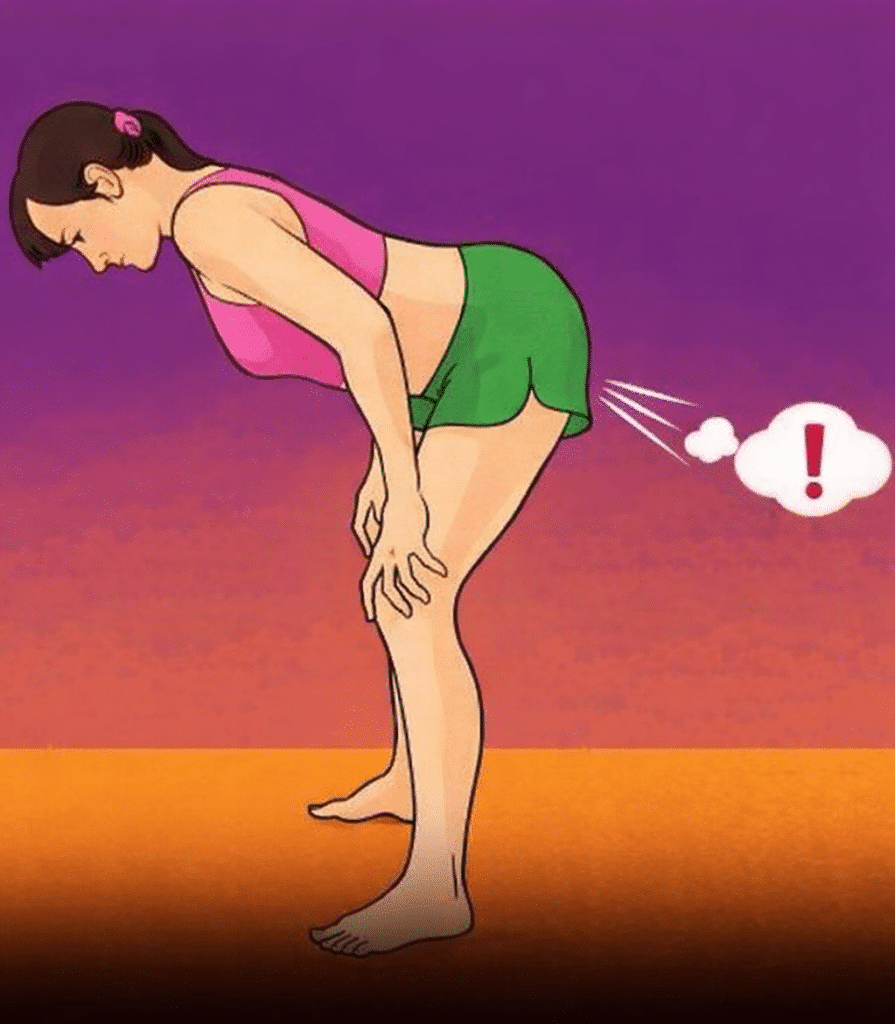
Passing gas may feel embarrassing, but it is a normal part of digestion.
Everyone has gas. It happens when you swallow air while eating or drinking and when bacteria in your large intestine break down certain undigested carbohydrates. The National Institute of Diabetes and Digestive and Kidney Diseases explains that gas enters the digestive tract mainly through swallowed air and bacterial breakdown of undigested food.
For many people, passing gas several times a day is completely normal. Johns Hopkins Medicine notes that most people pass gas about 14 times daily, though the exact number can vary from person to person.
But what if it happens more than 25 times a day?
That does not automatically mean something dangerous is happening. However, frequent gas may be a sign that your digestive system is reacting to certain foods, eating habits, gut bacteria changes, stress, constipation, or a condition such as lactose intolerance or irritable bowel syndrome.
The key is not just how often it happens.
The real question is whether it comes with pain, bloating, diarrhea, constipation, weight loss, blood in the stool, vomiting, or a sudden change in your normal digestion.
Why Gas Happens in the First Place
Gas forms in two main ways.
The first is swallowed air. This can happen when you eat too quickly, drink carbonated beverages, chew gum, use a straw, smoke, talk while eating, or swallow more air during stress or anxiety. Cleveland Clinic lists swallowed air as a common cause of excessive flatulence and notes that habits like chewing gum, drinking carbonated beverages, using straws, and smoking can increase swallowed air.
The second source is digestion.
Some foods are harder for the small intestine to fully break down. When those foods reach the large intestine, gut bacteria ferment them. That process produces gas.
This is why some people feel bloated or gassy after eating beans, lentils, broccoli, cabbage, onions, whole grains, dairy products, or foods with certain sweeteners.
These foods are not “bad.” In fact, many of them are healthy. But they can still create extra gas, especially if your body is not used to them or if you eat them in large amounts.
Common Foods That Can Increase Gas
Some of the most common gas-producing foods include beans, lentils, peas, cabbage, broccoli, cauliflower, onions, wheat, bran, apples, pears, dairy products, carbonated drinks, and sugar-free products containing sugar alcohols.
Dairy can be a major trigger for people with lactose intolerance. If the body does not produce enough lactase, the enzyme needed to digest lactose, dairy products may cause gas, bloating, cramps, and diarrhea.
Whole grains and high-fiber foods can also increase gas, especially if you add them to your diet suddenly. Fiber is important for digestive health, heart health, and personal wellness, but increasing fiber too quickly can leave your gut struggling to adjust.
That is why gradual changes are usually better than sudden diet overhauls.
Eating Habits Matter Too
Sometimes frequent gas is less about what you eat and more about how you eat.
Eating too fast can cause you to swallow extra air. Drinking through a straw can do the same. Chewing gum, sucking on hard candy, smoking, or drinking fizzy beverages may also increase air in the digestive tract.
Stress can also affect digestion. When people are anxious, they may breathe differently, swallow more air, eat quickly, or experience changes in gut movement. That can lead to more bloating and gas.
This is why digestive health is often connected to everyday lifestyle, not just food choices.
Sleep, stress, hydration, exercise, work schedules, medication, and mental health can all influence how your stomach and intestines feel.
When Frequent Gas May Signal a Digestive Issue
Most gas is harmless.
However, frequent or uncomfortable gas may sometimes be linked to a digestive condition.
Mayo Clinic notes that excess gas can be associated with intestinal conditions such as celiac disease, irritable bowel syndrome, gastroparesis, or small intestinal bacterial overgrowth.
Constipation can also make gas feel worse. When stool moves slowly through the colon, gas may build up and cause bloating, cramps, or pressure.
Food intolerances are another common cause. Lactose intolerance, fructose sensitivity, and difficulty digesting certain carbohydrates can all lead to frequent gas.
The important point is this: gas alone is not usually alarming. But gas combined with other symptoms deserves more attention.
Warning Signs You Should Not Ignore
You should consider speaking with a healthcare provider if your gas is severe, persistent, suddenly different from your normal pattern, or interfering with daily life.
Mayo Clinic advises seeing a healthcare provider if gas is severe or does not go away, especially if it comes with vomiting, diarrhea, constipation, unintentional weight loss, blood in the stool, or heartburn.
Other symptoms worth paying attention to include ongoing abdominal pain, bloating that does not improve, fever, loss of appetite, black stools, repeated nausea, or a major change in bowel habits.
These symptoms do not always mean something serious, but they should be checked.
Early attention can help prevent bigger health problems, reduce medical costs, and avoid unnecessary anxiety. Good health decisions are part of personal finance too, because untreated medical issues can lead to larger expenses later.
Simple Ways to Reduce Excess Gas
In many cases, frequent gas can improve with small lifestyle changes.
Start by eating more slowly. Chew thoroughly and avoid rushing meals. This helps reduce swallowed air and gives your digestive system more time to process food.
Pay attention to trigger foods. Keeping a food diary for one or two weeks can help you identify patterns. Write down what you eat, when gas happens, and whether symptoms include bloating, cramps, diarrhea, or constipation.
Increase fiber gradually. Fiber is helpful, but adding too much too quickly can cause gas. If you are trying to improve your diet, give your gut time to adjust.
Limit carbonated drinks if they make symptoms worse. Soda, sparkling water, and beer can increase swallowed gas.
Try gentle movement after meals. Walking can help digestion and reduce bloating.
Stay hydrated. Water supports healthy bowel movement and may reduce constipation-related gas.
Some people also find relief by reducing lactose, limiting sugar alcohols, or trying a low-FODMAP approach under medical guidance, especially if IBS is suspected.
What About Probiotics?
Probiotics may help some people, but they are not a guaranteed fix for everyone.
Yogurt with live cultures, kefir, sauerkraut, kimchi, and other fermented foods may support gut health for certain individuals. However, some fermented foods can also cause gas at first, especially if your gut is not used to them.
If you try probiotics or fermented foods, start small and monitor how your body responds.
For people with ongoing digestive symptoms, it is best to talk with a healthcare provider before relying on supplements. Not every product is right for every person, and some digestive issues need proper diagnosis.
Do Not Panic Over a Number Alone
The phrase “more than 25 times a day” sounds dramatic, but the number alone does not tell the full story.
Some people naturally pass more gas depending on diet, fiber intake, gut bacteria, and daily habits. A high-fiber diet may temporarily increase gas, especially if it includes beans, lentils, vegetables, and whole grains.
What matters most is whether your pattern has changed and whether you feel unwell.
If you pass gas often but have no pain, no bowel changes, no weight loss, and no other symptoms, it may simply be your body responding to food and normal digestion.
If you are uncomfortable, embarrassed, or worried, there are practical steps you can take — and medical help is available if symptoms persist.
Final Thoughts
Passing gas is normal, and everyone does it.
For most people, it is simply a sign that the digestive system is working. But if you notice that you are passing gas more than 25 times a day, especially with bloating, pain, constipation, diarrhea, heartburn, vomiting, blood in the stool, or unexplained weight loss, it may be time to pay closer attention.
Common causes include gas-producing foods, lactose intolerance, swallowing air, constipation, gut bacteria changes, stress, and digestive conditions such as IBS or celiac disease.
The good news is that many cases improve with simple changes: eating slowly, tracking trigger foods, increasing fiber gradually, drinking water, moving after meals, and avoiding habits that cause extra swallowed air.
Your body often sends small signals before bigger problems develop.
Frequent gas may feel awkward, but listening to your digestion can help you protect your health, comfort, and peace of mind.