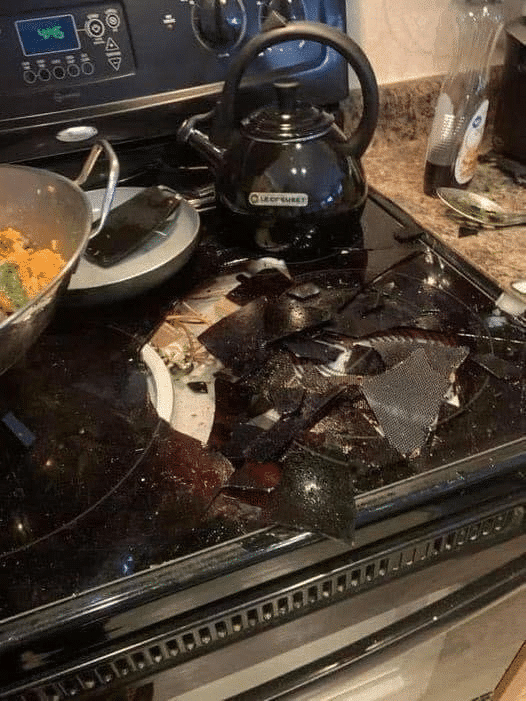
A glass stovetop can make any kitchen look clean, modern, and expensive.
Its smooth surface reflects light beautifully, wipes down easily, and gives the room a polished, high-end feel. For many homeowners, a glass cooktop is more than an appliance. It is part of the home’s value, design, and daily convenience.
But while glass stovetops may look strong, they are not indestructible.
In fact, many people damage them without realizing it. The problem is not always one dramatic accident. More often, the damage builds slowly through small habits repeated every day.
A pan gets dragged across the surface.
A sugary spill hardens.
A rough sponge scrubs away at burned food.
A heavy pot is placed down too hard.
At first, nothing seems wrong. The stovetop may still look fine. But tiny scratches, stress marks, and weakened areas can build up over time. Then one day, a crack appears — seemingly out of nowhere.
That is when a simple kitchen habit can become an expensive appliance repair.
Why Glass Stovetops Need Careful Handling
Glass cooktops are designed to handle heat, but they still require proper care.
The surface is smooth, but that smoothness can be damaged by friction, impact, residue, and aggressive cleaning. Once scratches or weak spots form, the cooktop may become more vulnerable to cracking, staining, and long-term wear.
This matters not only for appearance, but also for safety and personal finance.
Replacing a glass stovetop can be costly. Depending on the appliance, repair may involve parts, labor, installation fees, warranty limits, or even full replacement. For homeowners trying to manage budgets, mortgages, insurance costs, utility bills, and household maintenance, avoiding unnecessary appliance damage is a smart financial decision.
A glass stovetop is an investment.
And like any investment, it lasts longer when treated properly.
The Most Common Mistake: Sliding Pots and Pans
One of the most damaging habits is also one of the easiest to overlook.
Sliding cookware across the glass.
Many people do it without thinking. While cooking, you may move a pot from one burner to another or shift a pan to make room. It feels harmless because the surface is flat and the movement is quick.
But every time you drag cookware across the glass, tiny particles can scrape the surface.
Food crumbs, salt, sugar, grease, and burnt residue may sit between the pan and the cooktop. When the pan moves, those particles act like sandpaper. Over time, the glass can develop scratches, dull marks, and weakened areas.
The better habit is simple:
Lift cookware instead of sliding it.
It takes only a second longer, but it can protect your stovetop for years.
Scrubbing Too Hard Can Make Things Worse
Burned food is frustrating.
When sauce, grease, or soup spills onto a hot cooktop and hardens, it is tempting to grab a rough sponge, abrasive pad, or even steel wool and scrub until it disappears.
That may remove the stain, but it can also damage the glass.
Abrasive tools create tiny scratches. These may not be obvious at first, especially under normal kitchen lighting. But over time, those scratches can collect residue and weaken the surface.
Instead of using force, use patience.
Allow the cooktop to cool to a safe temperature. Apply a cleaner made for glass cooktops. Let it sit long enough to soften the residue. Then wipe with a soft cloth, microfiber towel, or non-abrasive sponge.
For stuck-on food, use a cooktop-safe scraper only if recommended by the manufacturer, and use it carefully at the proper angle.
The goal is to let the cleaner do the work, not your arm strength.
Ignoring the Bottom of Cookware
Even if your stovetop is perfectly clean, your pots and pans may still cause damage.
The bottom of cookware often collects grease, burnt food, mineral deposits, and rough buildup. When that dirty surface touches the glass and heats up, residue can transfer onto the cooktop. It can also create uneven contact, making cleaning harder later.
Before placing a pot or pan on the stove, take a moment to check the bottom.
If it has stuck-on food, rough spots, or grease, wipe it clean first. This small habit helps prevent scratches, stains, and heat marks.
It also improves cooking performance. Flat, clean cookware makes better contact with the surface, helping heat distribute more evenly.
A clean pan bottom protects both your food and your appliance.
Letting Spills Sit Too Long
Spills happen in every kitchen.
But on a glass stovetop, timing matters.
Sugary spills are especially troublesome. Syrup, jam, caramel, sweet sauces, and sugary liquids can harden quickly as they cool. Once they stick to the glass, removing them may require more pressure, which increases the risk of scratching.
Acidic foods like tomato sauce can also leave marks if left too long.
The safest approach is to clean spills as soon as the cooktop is no longer dangerously hot. Never place your hand on a hot surface or wipe while it is still unsafe. But once it is warm enough to clean carefully, remove residue before it hardens completely.
Prompt cleaning helps protect the surface and reduces the need for aggressive scrubbing later.
Dropping or Slamming Cookware
Glass stovetops can handle normal cooking, but they are not designed for heavy impact.
Dropping a pot, slamming down a pan, or setting a heavy Dutch oven too forcefully can create stress in the glass. Sometimes the damage appears immediately as a chip or crack. Other times, the surface looks fine at first, but the stress may show up later.
This is especially important with heavy cookware like cast iron, stoneware, large stockpots, or oversized pans.
Place cookware down gently every time.
Also avoid storing heavy items above the stovetop. If a pan, spice jar, glass bottle, or ceramic dish falls from a cabinet, it can crack the cooktop instantly.
A little caution can prevent a major repair bill.
Using the Wrong Cookware
Not all cookware is ideal for glass stovetops.
Pans with rough, warped, or uneven bottoms can scratch the glass or heat unevenly. Cast iron can be used carefully on some glass cooktops, but it is heavy and often rough, so it should never be dragged.
Flat-bottomed cookware is usually best because it sits evenly on the surface.
Avoid using pans with ridges, burrs, or rough metal edges. If the bottom feels sharp or gritty when you run your hand over it, it may not be safe for a smooth glass cooktop.
Cookware quality matters.
Good pots and pans may cost more upfront, but they can protect your appliance and save money on repairs later.
Do Not Use the Stovetop as Extra Counter Space
Many people use their stovetop as a temporary counter.
They place grocery bags, cutting boards, baking sheets, plastic containers, lids, or heavy dishes on it while cooking or cleaning. This may seem convenient, but it can create several risks.
A burner may still be warm.
A plastic item may melt.
A heavy object may crack the glass.
A sharp edge may scratch the surface.
It is better to keep the stovetop clear unless you are cooking. Treat it as an appliance, not a countertop.
This habit also improves kitchen safety by reducing clutter near heat sources.
The Financial Cost of Poor Stovetop Care
Small mistakes can become expensive.
A scratched cooktop may look worn and reduce the appearance of your kitchen. A cracked cooktop may become unsafe to use. A full replacement can affect your household budget, especially if the appliance is out of warranty.
For homeowners, appliance care is part of smart personal finance.
Just as you maintain your car to avoid costly repairs, review insurance to protect against emergencies, and care for your home to preserve real estate value, you should also maintain major kitchen appliances.
Preventive care is almost always cheaper than replacement.
A few mindful habits can protect your stovetop, reduce repair costs, and keep your kitchen functioning safely.
Simple Habits That Protect Your Glass Stovetop
You do not need a complicated routine.
Use gentle cleaning products made for glass cooktops.
Wipe spills promptly once the surface is safe to touch.
Lift pots and pans instead of sliding them.
Check cookware bottoms before cooking.
Place heavy cookware down gently.
Avoid abrasive pads, steel wool, or harsh cleaners.
Do not store heavy objects above the stove.
Keep the surface clear when not in use.
These habits may seem small, but they add up. Over time, they can help your cooktop stay cleaner, shinier, and stronger.
What to Do If You Notice a Crack
If your glass stovetop cracks, stop using it.
A cracked cooktop can create safety risks, especially if liquid spills into the damaged area or if the crack spreads under heat. Contact the manufacturer, a qualified appliance repair technician, or your warranty provider to determine the safest next step.
Do not ignore a crack and continue cooking as usual.
The longer you wait, the more dangerous and expensive the problem may become.
Final Thoughts
A glass stovetop looks sleek and durable, but it needs careful everyday care.
The biggest mistake many people make is sliding pots and pans across the surface. Combined with rough cleaning, dirty cookware bottoms, hardened spills, and heavy impacts, this habit can slowly weaken the glass and lead to scratches or cracks.
Protecting your cooktop does not require expensive tools or complicated maintenance. It only takes awareness and consistency.
Lift cookware.
Clean gently.
Handle heavy pots with care.
Remove spills before they become stubborn.
Check the bottom of your pans.
These simple habits can help prevent damage, save money, and keep your kitchen safe and beautiful for years.
Your stovetop may look tough, but treating it gently is the best way to make it last.