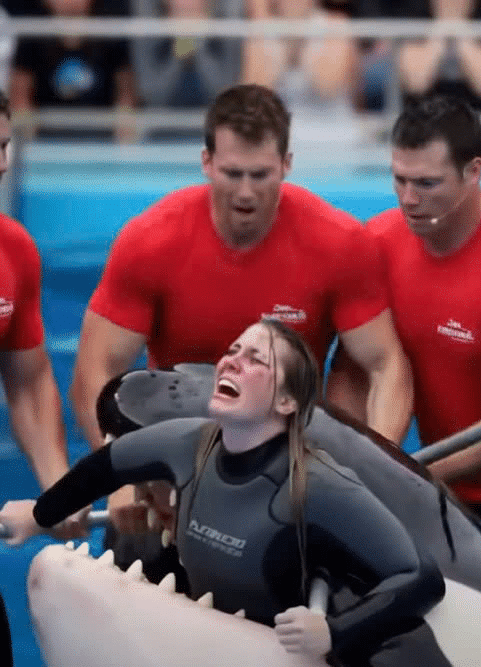
A shocking video claiming to show an orca attacking a marine trainer named Jessica Radcliffe has spread rapidly across social media, leaving many viewers horrified and emotional.
The clip is often shared with dramatic captions suggesting that a young trainer was killed during a live performance. Some versions use names such as “Jessica Radcliffe” or “Maris Ellington,” while others claim the incident happened at fictional-sounding marine parks. The videos are designed to feel urgent, tragic, and real.
But there is an important problem:
There is no credible evidence that a trainer named Jessica Radcliffe was killed by an orca in a live show.
Fact-checkers and media outlets have reported that the viral “Jessica Radcliffe” orca attack story is a hoax. Full Fact found no evidence that such an attack happened or that a trainer by that name existed, and reported that many related images and videos appear to be AI-generated. NDTV also reported that the video is fabricated and that no credible evidence supports the alleged incident.
A Viral Clip Built for Shock
The reason the video spread so quickly is easy to understand.
Orcas are powerful, intelligent animals. Marine shows already carry tension because people know these animals are wild predators, even when trained in captivity. When a video claims to show a trainer being attacked in front of an audience, viewers react emotionally before they have time to verify the facts.
That is exactly how viral misinformation works.
A dramatic caption creates fear.
A realistic-looking image creates belief.
A tragic story creates sympathy.
Then the post encourages people to click, comment, share, or watch the “full video.”
In this case, the emotional reaction was strong enough that many people believed they were watching a real tragedy. E! Online reported that the viral clip claiming to show Jessica Radcliffe being killed by an orca was debunked as AI-generated, with no official records or credible reports confirming that she existed.
Why the Story Felt Believable
The fake story likely gained attention because it resembles real past tragedies involving captive orcas.
The most widely known case involved Dawn Brancheau, an experienced SeaWorld Orlando trainer who died on February 24, 2010, after an incident with the orca Tilikum. That real event led to major scrutiny of trainer safety and the ethics of keeping orcas in captivity.
Because real incidents have happened before, fake videos can borrow emotional weight from actual history.
That makes misinformation especially dangerous. A fabricated story may use the fear and grief connected to real tragedies, then reshape it into clickbait for views, advertising revenue, or social media engagement.
The result is harmful in several ways. It misleads viewers, exploits real safety concerns, and can disrespect the memory of actual trainers and families affected by past incidents.
The Real Issue: Orcas in Captivity
Even though the Jessica Radcliffe story is not verified and appears to be fabricated, the broader discussion about orcas in captivity is real.
Orcas are highly intelligent, social, and emotionally complex marine mammals. They live in family groups in the wild, travel long distances, communicate with distinctive vocalizations, and require complex environments.
For decades, marine parks used orcas in public performances, presenting them as symbols of wonder and human-animal connection. But critics have long argued that captivity can create stress, abnormal behavior, and safety risks for both animals and trainers.
Public debate intensified after real incidents involving captive orcas and after documentaries and advocacy campaigns brought more attention to the issue.
In 2016, SeaWorld announced that it would end its captive orca breeding program, meaning the orcas already in its care would be the last generation at its parks.
That decision reflected a major shift in public attitudes toward marine entertainment.
Real Safety Questions Should Not Depend on Fake Videos
The problem with hoaxes like the Jessica Radcliffe video is that they make it harder to have serious conversations.
There are legitimate questions worth discussing:
Should orcas be used in entertainment shows?
Are current safety protocols enough to protect trainers?
Can large marine mammals thrive in captivity?
How should marine parks balance education, conservation, animal welfare, insurance risk, legal liability, and public safety?
Those questions deserve thoughtful reporting and evidence.
They do not need fake tragedies.
When viral pages invent names, events, and dramatic “last moments,” they turn a serious ethical issue into entertainment. That may generate clicks, but it does not help animals, trainers, families, or the public understand the truth.
How to Spot Fake Animal Attack Videos
The Jessica Radcliffe hoax is also a reminder that AI-generated content is becoming more convincing.
Before believing a shocking animal attack video, viewers should ask several basic questions.
Is the victim’s name confirmed by credible news outlets?
Is the marine park real?
Have police, emergency officials, or the park issued a statement?
Does the video appear only on social media pages with sensational captions?
Are there inconsistencies in faces, lighting, movement, voices, or background details?
Are different versions of the story using different names or locations?
If the answer to those questions is unclear, the safest approach is to treat the video as unverified.
A real fatal incident involving a marine trainer would be covered by major news outlets, local authorities, workplace safety agencies, and official park statements. It would not exist only as a dramatic “watch full video” post.
Why Sharing Unverified Tragedy Content Causes Harm
Some people share viral videos because they are shocked or want others to react. But sharing unverified tragedy content can cause real damage.
It spreads misinformation.
It creates unnecessary fear.
It exploits grief.
It rewards pages that profit from shock.
It can confuse real public safety discussions.
It can also damage trust in legitimate news. When people discover a viral tragedy was fake, they may become more cynical about real reporting, even when actual families and victims need attention and respect.
In today’s digital media environment, careful sharing is part of responsible online behavior.
Just as people verify financial advice, insurance claims, medical information, banking alerts, or legal documents before acting, they should also verify shocking videos before believing or reposting them.
A Better Way to Tell the Story
A responsible version of this story should be clear:
The viral Jessica Radcliffe orca attack video is not confirmed as real.
Multiple fact-checking reports say there is no evidence she existed or that the alleged attack happened.
The video appears to be part of a wave of AI-generated or fabricated animal-attack content.
Real orca-trainer tragedies have occurred in the past, including the death of Dawn Brancheau in 2010.
The broader debate about orca captivity, animal welfare, trainer safety, and marine entertainment remains important.
That framing keeps the story engaging without misleading readers.
Final Thoughts
The viral video claiming that an orca attacked and killed a trainer named Jessica Radcliffe is shocking — but the available evidence shows the story is not real.
Fact-checkers have found no credible proof that Jessica Radcliffe existed, no verified record of the alleged incident, and strong indications that the content was fabricated or AI-generated.
Still, the reason the video went viral matters. It tapped into real public concern about captive orcas, trainer safety, and the ethics of marine entertainment.
The lesson is simple:
Do not let fake videos replace real facts.
Orcas deserve serious discussion. Trainers deserve respect. Real tragedies deserve accuracy.
And viewers deserve the truth before they are asked to click, share, or mourn someone who may never have existed.