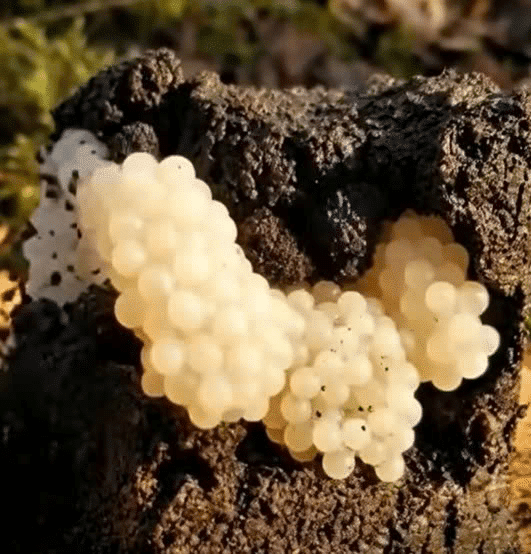
At first, it looked like someone had scattered tiny white beads across the soil.
The small round balls were smooth, pale, and clustered together in a damp patch of the yard. From a distance, they almost looked decorative — like little pearls hidden in the dirt. But up close, something about them felt strange.
They were not hard like plastic.
They were soft.
Slightly springy.
Almost jelly-like.
Some even appeared to have tiny dark dots inside.
That was the moment curiosity turned into concern. Anyone who spends time gardening knows that the yard can hide unusual surprises. Some are harmless. Some are signs of healthy soil. Others can be early warnings of a bigger problem waiting to hatch.
In this case, those small white “pearls” were most likely snail eggs.
They may look delicate and harmless, but for gardeners, they can signal the beginning of a pest issue that may damage vegetables, flowers, herbs, and young plants if ignored.
Why These White Balls Appear in Soil
Snails and slugs often lay eggs in places that are moist, shaded, and protected. Garden soil gives them exactly what they need: humidity, cover, and shelter from direct sunlight.
That is why egg clusters are often found under mulch, rocks, logs, flowerpots, garden debris, thick weeds, or damp leaves. They can also appear in soft soil after rain or heavy watering.
The eggs are usually small, round, and pale white or translucent. Depending on the species and stage of development, they may feel soft or jelly-like. As the embryos develop, tiny darker spots may become visible inside some of the eggs.
This unusual appearance is why many homeowners mistake them for fertilizer beads, insect eggs, plastic pellets, fungus, or even some strange type of plant growth.
But if the balls are clustered together in damp soil and feel soft rather than hard, snail or slug eggs are a strong possibility.
Why Gardeners Should Pay Attention
Finding a few small eggs may not seem like a major problem.
But snails can lay many eggs at once, and those eggs can hatch into young snails that immediately begin feeding. Once they spread through the garden, they can be difficult to control.
Snails are especially attracted to tender plants. They often feed on young seedlings, soft leaves, stems, flowers, herbs, and vegetables. Gardeners may notice irregular holes in leaves, chewed edges, damaged sprouts, or plants that seem to decline overnight.
Common targets include lettuce, basil, cabbage, hostas, strawberries, marigolds, beans, and many other leafy or tender plants.
The frustrating part is that snails often do their damage quietly. They are usually most active in cool, damp conditions, especially at night or early in the morning. During the day, they hide under objects or inside shaded areas.
By the time you notice visible plant damage, the problem may already be spreading.
That is why discovering eggs early matters.
A Small Cluster Can Become a Bigger Issue
One cluster of snail eggs does not mean your entire yard is ruined. But it does mean conditions may be favorable for snails to reproduce.
If the soil is consistently wet, if mulch is too thick, or if the garden has many hidden spaces, snails may continue laying eggs in the same area. Over time, their numbers can grow.
For homeowners who invest time and money into landscaping, vegetable gardens, raised beds, or flower displays, this can become a costly nuisance. Replacing damaged plants, buying pest control products, repairing garden beds, or hiring professional help can add up quickly.
Good garden maintenance is part of smart home care, just like roof inspections, pest prevention, insurance planning, and routine property upkeep.
Catching the issue early can protect both your plants and your budget.
What to Do If You Find Them
The first rule is simple: do not handle unidentified objects in the soil with bare hands.
Put on gloves before touching them. Garden soil can contain bacteria, fungus, animal waste, pesticides, or other irritants, so it is always safer to protect your skin.
Carefully scoop up the egg cluster and place it in a sealed bag or container. Do not move the eggs to another part of the yard, because they may still hatch there.
After removing the eggs, check the surrounding area. Look under mulch, stones, wood, pots, garden decorations, and damp leaves. Snails often choose protected hiding places, so one cluster may not be the only one.
You can also gently turn the top layer of soil nearby to see whether more eggs are hidden just beneath the surface.
How to Make Your Garden Less Attractive to Snails
Snails love moisture and hiding places, so reducing those conditions can help.
Start by cleaning up garden debris. Remove piles of dead leaves, old boards, unused pots, thick weeds, and anything else that creates dark, damp shelter.
Be careful with mulch. Mulch can be helpful for soil health and moisture control, but if it is too thick or constantly wet, it can become a hiding place for snails and slugs.
Watering habits also make a difference. Watering in the morning is usually better than watering late in the evening, because the soil has time to dry before nightfall. Since snails are often active after dark, wet soil overnight can encourage them.
Raised beds, better drainage, and proper spacing between plants may also reduce the damp conditions snails prefer.
Natural Control Methods May Help
For small gardens, hand-picking snails can be effective. Check plants in the evening, early morning, or after rain, when snails are more active. Wear gloves and remove them from the garden.
Some gardeners use barriers around vulnerable plants. Copper tape, crushed eggshells, coffee grounds, rough mulch, or diatomaceous earth are commonly discussed options, though results can vary. These methods may work better when combined with regular garden cleanup and monitoring.
You can also protect young seedlings with collars, covers, or raised containers until they are strong enough to tolerate minor pest pressure.
The goal is not always to eliminate every snail from the yard. It is to prevent them from overwhelming the plants you are trying to grow.
Be Careful With Chemical Products
Snail and slug bait products are available, but they should be used with caution.
Some products may be harmful to pets, wildlife, or children if used incorrectly. Always read the label carefully and follow the directions exactly.
If you have a vegetable garden, pets, young children, or wildlife nearby, consider asking a local garden center, agricultural extension office, or pest control professional which options are safest.
A healthy garden should protect plants without creating unnecessary risks for the people and animals around it.
Could the White Balls Be Something Else?
Yes, it is possible.
Not every white round object in soil is automatically a snail egg.
Some slow-release fertilizer pellets are small, pale, and round. These are often found in potting mixes and may feel firm rather than jelly-like. Certain fungi can also produce round structures in soil. Insect eggs may appear in clusters, depending on the species.
Context is important.
Snail eggs are more likely when the objects are soft, translucent, clustered in damp soil, and located in shaded or protected areas. If the balls are hard, perfectly uniform, and mixed throughout commercial potting soil, they may be fertilizer instead.
When in doubt, take a clear photo and ask a local gardening expert for help before disturbing the area too much.
Why This Discovery Feels So Unsettling
Part of what makes the discovery so surprising is the contrast.
The eggs look almost pretty.
They are smooth, round, and pearl-like. But once you realize they may hatch into garden pests, the meaning changes completely.
That is why so many homeowners react with shock after identifying them. What looked like a harmless mystery suddenly becomes a warning sign.
Nature often works that way.
Small clues appear before bigger problems develop. A soft spot in the lawn may reveal drainage trouble. A few ants may signal a hidden nest. A tiny leak can lead to water damage. And a cluster of white eggs in damp soil can point to a growing snail population.
The earlier you notice the signs, the easier it is to respond.
Final Thoughts
Finding strange white balls in your yard can be alarming, especially when they are soft, jelly-like, and clustered in damp soil.
In many cases, those tiny “pearls” are snail or slug eggs. While they may look harmless, they can hatch into pests that feed on young plants, leaves, stems, vegetables, flowers, and herbs.
If you find them, wear gloves, remove them carefully, dispose of them properly, and check nearby hiding places for more clusters. Then reduce damp shelter areas in your garden to make the space less inviting for snails.
A small discovery in the soil may seem strange at first, but it can also help you protect your garden before damage begins.
Those little white balls are not decorations.
They may be the beginning of a garden invasion — and the best time to act is before they hatch.