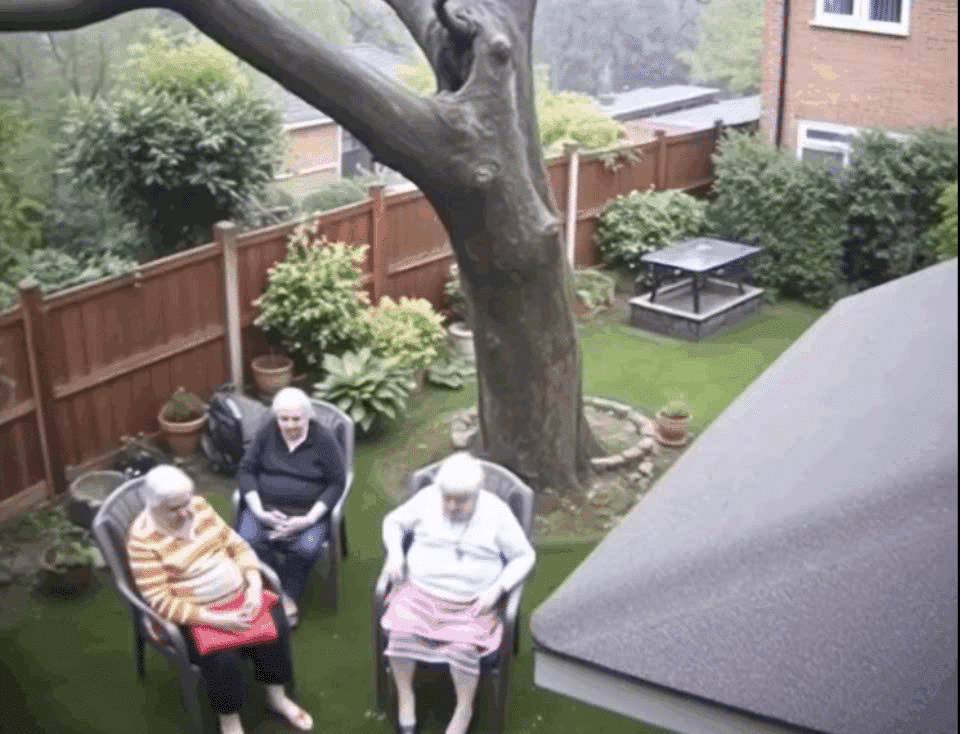
It started like any other windy afternoon.
The trees swayed, dry leaves moved across the yard, and the sound of gusts passing through branches seemed ordinary enough. For many homeowners, a day like that might not feel especially dangerous. Wind is common. Trees move. Branches creak. Life goes on.
But then, in a matter of seconds, everything changed.
A large tree came crashing down unexpectedly, turning what looked like a routine outdoor task into a dangerous and costly situation. Scenes like this often spread online because they are shocking to watch — a tree suddenly falling the wrong way, smashing into a roof, crushing a fence, landing on a vehicle, or narrowly missing people nearby.
At first glance, these videos may look like simple “tree removal fails.”
But behind each one is a serious reminder: cutting down a tree is not as easy as it looks.
Tree removal involves weight, tension, gravity, weather, cutting angles, equipment, and experience. One wrong decision can cause thousands of dollars in property damage, serious injuries, insurance complications, or even life-threatening consequences.
Why Tree Cutting Is More Dangerous Than Many People Realize
To someone watching from a distance, cutting down a tree may seem straightforward.
Make a cut.
Let the tree fall.
Clean it up.
But professionals know it is far more complicated than that.
A tree is not just a vertical piece of wood. It has weight distribution, branch load, lean, internal stress, root structure, and wind exposure. The direction it appears to lean may not always be the direction it will fall. A heavy branch on one side can pull the trunk unexpectedly. Hidden rot inside the tree can cause it to split before the cut is complete.
Wind makes everything even more unpredictable.
A strong gust at the wrong moment can push the tree off course, especially if the cut has already weakened the trunk. Once the tree begins to move, there is no pause button. There is no time to change the plan. Gravity takes over, and the outcome is decided in seconds.
That is why tree removal should be treated as a high-risk job, not a casual weekend chore.
Common Mistakes That Cause Tree-Felling Accidents
Many tree-cutting accidents happen because people underestimate the planning required.
One common mistake is cutting at the wrong angle. Directional cuts are supposed to help guide where the tree falls. If those cuts are poorly placed or uneven, the tree may twist, split, or fall in a direction the person did not expect.
Another major mistake is making the back cut incorrectly. The back cut helps release the tree, but if it is too deep, too high, too low, or poorly timed, the person cutting can lose control of the fall.
Some people also forget to create a clear escape route. When a tree begins to fall, the person with the chainsaw should already know exactly where to move. Standing too close, backing up in the wrong direction, or getting trapped by branches can be extremely dangerous.
Other common risks include ignoring wind conditions, standing under loaded branches, using dull or poorly maintained chainsaws, failing to wear protective gear, and working too close to homes, garages, fences, power lines, or parked cars.
Any one of these mistakes can turn a simple job into an emergency.
Wind Can Change Everything
A windy afternoon is one of the worst times to cut down a tree.
Even if the wind seems manageable, gusts can arrive suddenly. A tree that appears controlled can shift during the final cut. Branches can sway and change the balance of the trunk. Loose limbs can break off and fall before the main tree comes down.
Wind also affects the person doing the cutting. It can make hearing harder, reduce awareness, move sawdust into the face, and create a false sense of urgency.
If a tree is already unstable, diseased, leaning, or damaged by storms, wind can make the situation even more dangerous.
This is why professionals often delay removals during unsafe weather. Waiting may feel inconvenient, but it is far better than dealing with a crushed roof, damaged vehicle, medical bills, or denied insurance claim because the work was done carelessly.
The Hidden Costs of DIY Tree Removal
Many homeowners consider cutting down a tree themselves to save money.
That is understandable. Professional tree removal can be expensive, especially for large trees or jobs near buildings. But the cost of a mistake can be far higher.
A falling tree can damage roofs, siding, gutters, windows, fences, decks, vehicles, landscaping, and utility lines. Repair costs can quickly reach thousands or even tens of thousands of dollars.
There may also be liability issues. If a tree falls onto a neighbor’s property, the situation can become legally complicated. If someone is injured, medical expenses and legal claims may follow. If power lines are damaged, utility companies may become involved.
Homeowners insurance may help in some situations, but coverage can depend on the cause of the damage, the condition of the tree, whether negligence was involved, and the details of the policy. That is why homeowners should understand their insurance coverage before attempting risky property work.
Trying to save a few hundred dollars can become a major personal finance problem if the tree falls the wrong way.
Chainsaws Add Another Layer of Danger
The tree itself is not the only hazard.
Chainsaws are powerful tools that can cause severe injuries when used incorrectly. Kickback can happen suddenly when the chain catches or the tip of the bar contacts wood at the wrong angle. A moment of poor footing, distraction, or fatigue can result in serious harm.
Protective equipment matters. Professionals typically use helmets, face shields, hearing protection, chainsaw chaps, gloves, boots, and eye protection. Many homeowners skip these items because the job seems quick.
That is a dangerous mistake.
Tree work often involves unstable ground, falling limbs, sharp tools, loud equipment, and heavy debris. It requires focus, preparation, and respect for the risks involved.
Why Professionals Handle Tree Removal Differently
Professional arborists and tree removal crews do not simply walk up to a tree and start cutting.
They evaluate the entire situation first.
They look at the tree’s lean, branch weight, trunk condition, nearby structures, power lines, wind direction, available space, and escape routes. If the tree cannot be safely dropped in one piece, they may remove it section by section.
Professionals often use ropes, rigging systems, climbing gear, cranes, wedges, and controlled lowering techniques. These tools allow them to guide heavy sections safely to the ground rather than letting gravity make the final decision.
They also understand how different tree species behave when cut. Some split easily. Some hold tension differently. Some dead trees are brittle. Some hollow trees may collapse unexpectedly.
That experience matters.
It is the difference between controlled removal and hoping for the best.
When You Should Call an Expert
Not every small branch requires a professional crew. But certain warning signs should make homeowners stop and call someone qualified.
A tree leaning toward a house, garage, road, fence, or power line should be handled carefully. Large dead limbs, visible cracks, hollow trunks, storm damage, root lifting, fungus growth, or trees close to buildings are also serious concerns.
If the tree is taller than nearby open space, if it requires climbing, if it is near electrical lines, or if wind conditions are strong, the risk increases significantly.
Calling a certified arborist or professional tree service may feel expensive, but it can protect your home, your family, your neighbors, and your long-term financial stability.
A Reminder About Property Maintenance
Trees add beauty, shade, and value to a property. They can improve curb appeal and make outdoor spaces more enjoyable. But they also require maintenance.
Regular inspections can help identify diseased, weakened, or dangerous trees before they fall. Trimming dead branches, monitoring root health, and addressing storm damage early can reduce risk.
For homeowners, this is part of responsible real estate care. Just like checking the roof, cleaning gutters, maintaining plumbing, reviewing insurance policies, and planning for emergency repairs, tree safety belongs on the home maintenance list.
Ignoring a dangerous tree does not make the risk disappear.
It only gives the problem more time to grow.
Final Thoughts
What began as just another windy afternoon quickly became a reminder of how dangerous tree cutting can be.
A falling tree is not something anyone can control once gravity takes over. Wind, poor cuts, hidden rot, heavy branches, and lack of planning can turn a simple outdoor task into a serious emergency.
Tree removal may look easy in short online videos, but the risks are real. Property damage, personal injury, insurance complications, legal liability, and major repair costs can all follow one bad decision.
The lesson is simple:
Do not underestimate trees.
Do not ignore wind.
And do not treat a high-risk job like a quick weekend project.
Sometimes the smartest way to protect your home is to step back, call a professional, and avoid learning the hard way that once a tree starts falling, there is no second chance.