In a quiet American town, a deeply emotional story began spreading after a father allegedly took matters into his own hands following claims that his teenage daughter had been seriously assaulted.
The case quickly drew attention because it touched one of the most painful fears any parent can imagine: learning that a child may have been harmed and feeling powerless while waiting for the legal system to respond.
According to the account, authorities confirmed that the case involved a minor, and many details were withheld to protect her privacy. That decision is important. In cases involving young victims, public curiosity should never come before safety, dignity, and emotional recovery.
But even with limited details, the story sparked intense discussion.
Some people saw the father as a desperate parent overwhelmed by grief and anger. Others warned that taking justice into one’s own hands can create dangerous consequences, even when the emotional pain behind the action is understandable.
What began as a private family tragedy soon became a public debate about justice, morality, and the rule of law.
A Father’s World Changed Overnight
Friends and neighbors reportedly described the father as devoted, protective, and deeply involved in his daughter’s life. Like many parents, he believed his role was to keep his child safe from danger.
When he learned what she had allegedly endured, his grief quickly turned into anger.
That reaction is not difficult to understand. When a child is harmed, parents often experience a storm of emotions: fear, guilt, rage, helplessness, and a desperate need to regain control. Some blame themselves. Some become consumed by the need for answers. Others feel that the legal process moves too slowly for the pain they are carrying.
But emotional pain, no matter how intense, can lead to decisions that create even more harm.
According to reports in the story, instead of waiting for investigators and prosecutors to handle the case, the father allegedly confronted the individual he believed was responsible.
That confrontation changed everything.
The Confrontation That Escalated
The encounter reportedly began as a tense verbal exchange. Witnesses described the situation as emotional and volatile, with the father appearing overwhelmed by anger.
What happened next turned the situation into a criminal investigation.
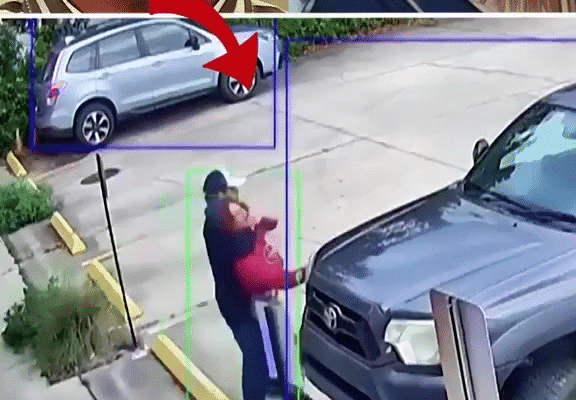
According to the account, the father allegedly restrained the individual and forced him into a vehicle. Hours later, authorities found the person injured and restrained inside an abandoned building. Emergency responders were called, and the individual was taken for medical evaluation.
Shortly afterward, law enforcement located the father and arrested him.
At that moment, the story shifted.
The original allegation involving his daughter remained serious and heartbreaking, but the father was now also facing legal consequences for his own actions.
This is where the public debate became complicated.
Public Reaction Was Deeply Divided
As the story spread online, reactions came quickly.
Many people expressed sympathy for the father. Some said they understood why a parent might lose control after learning that a child had been hurt. Others argued that his actions came from love, rage, and desperation rather than cruelty.
To them, the father represented a parent pushed beyond his emotional limit.
But others raised serious concerns.
They argued that personal revenge cannot replace due process. If people begin punishing others based on accusations alone, the legal system becomes unstable. Mistaken identity, incomplete evidence, emotional misjudgment, and retaliation can all lead to devastating outcomes.
That divide created a painful question:
Can an emotionally understandable act still be legally wrong?
In many cases, the answer is yes.
Why the Law Treats Vigilante Justice Seriously
The legal system exists not only to punish wrongdoing, but to establish facts through evidence, testimony, investigation, and procedure.
That process can feel slow, especially for families in pain. But it is designed to protect everyone involved — victims, suspects, families, witnesses, and the public.
When someone takes justice into their own hands, several dangers arise.
The wrong person could be targeted.
Evidence could be damaged.
A criminal case could become harder to prosecute.
The victim’s privacy could be compromised.
The person acting out of anger could face serious charges.
Even when the motive is emotional, acts involving unlawful restraint, assault, threats, or violence are treated seriously by courts.
Legal analysts often note that emotional context may be considered during sentencing, but it usually does not erase criminal responsibility.
In other words, a court may understand why someone acted — while still holding them accountable for what they did.
The Victim Must Remain the Focus
Amid the public arguments, one important truth should not be forgotten:
The most important person in this story is the teenage girl.
When a minor experiences trauma, the path forward requires privacy, patience, professional support, and stability. Public debate can easily shift attention away from the person who needs care most.
Advocacy groups often emphasize that survivors should not be turned into symbols for online arguments. They are not talking points. They are human beings who may need counseling, medical care, legal protection, family support, and time to heal.
The father’s anger may have come from love, but the daughter’s recovery should remain the central concern.
A child who has already experienced fear should not be forced to carry the weight of public judgment, media attention, or further family crisis.
The Emotional Toll on Families
Cases involving harm to a child affect entire families.
Parents may feel guilt for not preventing what happened. Siblings may feel confused or afraid. Extended relatives may disagree about how to respond. Financial pressure may build through legal fees, therapy costs, medical bills, insurance questions, missed work, and long-term care needs.
When a parent is also arrested, the emotional burden becomes even heavier.
A family that was already dealing with trauma may suddenly face court dates, legal defense costs, public attention, and uncertainty about the future.
That is one reason experts encourage families to seek legal guidance and professional counseling rather than acting out of rage. Immediate anger can feel powerful, but long-term consequences can be devastating.
A Larger Question About Trust in the Justice System
The story also reflects a deeper concern many people have: whether the justice system responds quickly and effectively enough in cases involving vulnerable victims.
When families feel ignored, delayed, or dismissed, frustration can grow. That frustration can make personal retaliation seem tempting.
But the solution is not vigilante justice.
A stronger response requires better victim support, faster investigations, improved communication from authorities, trauma-informed care, and legal systems that treat serious allegations with urgency and respect.
Justice must be both fair and effective.
If the process feels invisible or unresponsive, families may lose faith. But if individuals abandon the process entirely, the risk of chaos becomes even greater.
Why This Story Resonates
This story went viral because it forces people to confront an uncomfortable emotional question:
What would I do if someone hurt my child?
It is an easy question to answer with anger online. It is much harder to answer in real life, where every action carries consequences.
The father’s alleged response may feel emotionally understandable to many people, but it also shows how grief and rage can push someone into choices that create new legal and emotional damage.
That is what makes the case so difficult.
It is not simply about right and wrong.
It is about pain, protection, law, accountability, and the dangerous moment when emotion overtakes judgment.
Final Thoughts
The story of a father allegedly taking justice into his own hands after his daughter’s assault allegation has shaken a community and sparked widespread debate.
Many people understand the protective instinct behind his reaction. A parent’s love can be fierce, especially when a child has been harmed. But the law does not allow personal revenge to replace investigation, evidence, and due process.
The most important priority remains the young victim’s safety, privacy, and healing.
Justice must be pursued — but it must be pursued through a process that protects truth, accountability, and everyone’s rights.
When pain and anger collide with the legal system, the consequences can be life-changing.
And this story is a powerful reminder that even when emotions are understandable, actions still matter.