The case of Aileen Wuornos remains one of the most disturbing and widely debated criminal cases in modern American history. Known as one of the few female serial killers in the United States, Wuornos became a national figure after being convicted in connection with the deaths of several men in Florida between 1989 and 1990.
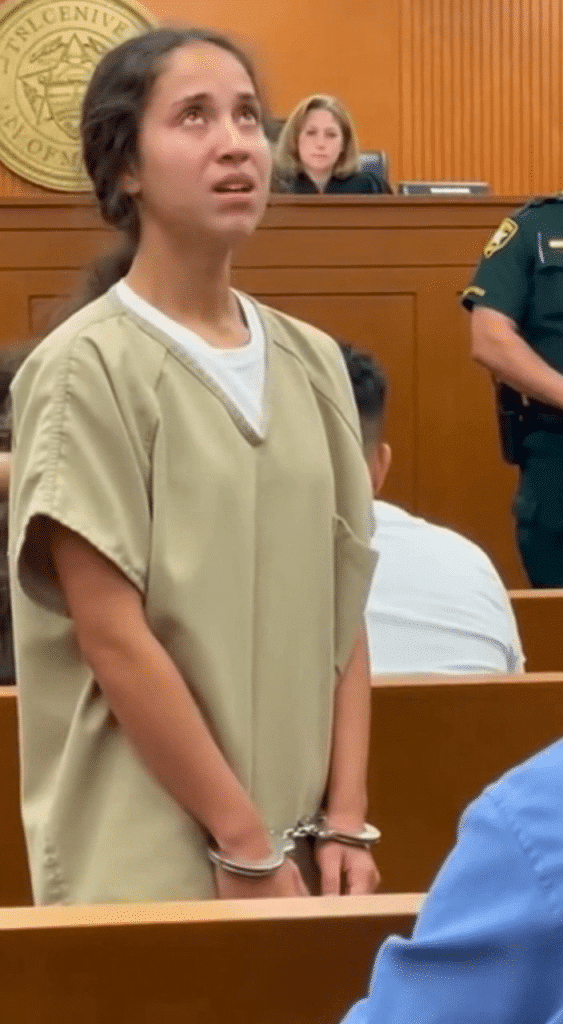
Her crimes were shocking enough on their own. But what also captured public attention was her behavior in court. During the legal proceedings and sentencing, her emotional reactions, defiant statements, and unpredictable courtroom presence left many observers unsettled.
For some, she was a dangerous killer who deserved the harshest punishment allowed by law. For others, her life story reflected years of trauma, neglect, abuse, homelessness, and social failure. That tension is why her name continues to appear in discussions about criminal justice, mental health, prison systems, and the death penalty.
Aileen Wuornos’ story is not simple. It is a dark example of how trauma and personal responsibility can collide in the most devastating way.
A Childhood Marked by Instability
Aileen Wuornos was born in Michigan in 1956. From the beginning, her life was shaped by instability. Her father was absent, her mother left when she was very young, and she was raised by relatives in an environment often described as neglectful and abusive.
By her teenage years, Wuornos was already struggling to survive. She spent time living on the streets, became involved in sex work, and faced repeated hardship long before she entered the national spotlight.
These early experiences later became central to public debate about her case. Some people believed her childhood trauma helped explain how she became so disconnected from normal life. Others argued that while her past was painful, it did not excuse the lives she took.
That distinction remains important. Understanding trauma is not the same as excusing violence. But in cases like this, it can help explain why certain patterns of behavior develop and why prevention, mental health support, and early intervention matter.
The Killings That Shocked the Nation
Between 1989 and 1990, Wuornos killed seven men in Florida. Many of the victims were men she encountered while working along highways. After her arrest, she claimed the killings happened in self-defense, saying the men had attacked or threatened her.
Prosecutors rejected that explanation.
They argued that the killings followed a pattern involving robbery and intentional violence. Evidence presented in court included victims’ belongings that were reportedly pawned after their deaths. Investigators also pointed to details that they said contradicted her version of events.
This became one of the central conflicts in the case: was Wuornos a deeply traumatized woman reacting to danger, or was she committing deliberate murders for money and survival?
The court ultimately sided with the prosecution.
Arrest, Trial, and Public Attention
Wuornos was arrested in 1991 after investigators connected her to the killings through witness statements, evidence, and items linked to the victims. The case quickly drew national media attention.
At the time, female serial killers were rarely discussed in the same way as male offenders. Wuornos challenged many public assumptions about violence, gender, victimhood, and criminal behavior. Her appearance, background, and statements made the case even more sensational in the media.
During the trial, prosecutors portrayed her as a calculated and dangerous offender. Her defense team pointed to her traumatic past, unstable mental health, and years of abuse. They argued that her life history should be considered when judging her actions and deciding punishment.
But the jury was not persuaded that self-defense explained the killings.
Wuornos was convicted and later sentenced to death.
A Courtroom Reaction That Left People Silent
The headline often used in viral posts claims that Wuornos received a life sentence, but that is not accurate. She was sentenced to death, not life in prison.
Her reaction in court became one of the most remembered parts of the case. She was often described as angry, intense, emotional, and defiant. At times, she shouted in court and appeared completely unmoved by the formal structure around her.
For people watching, the moment was chilling.
A courtroom is usually a place of controlled language, legal procedure, and careful behavior. Wuornos broke through that atmosphere with raw emotion. Whether people saw her as unstable, furious, traumatized, or remorseless, her presence was impossible to ignore.
That is why her case continues to fascinate true crime audiences. It was not only about what she did. It was also about how she responded when confronted with the full weight of the law.
Death Penalty and Continuing Debate
Aileen Wuornos was executed by lethal injection on October 9, 2002. Her execution ended the legal case, but it did not end the public debate.
Some people believe justice was served. They argue that Wuornos took multiple lives and that the victims and their families deserved accountability. From that perspective, her trauma did not erase her responsibility.
Others believe her execution raised serious ethical questions. They point to her traumatic childhood, possible mental health struggles, and chaotic life history as reasons the system should have examined her condition more deeply before carrying out the death penalty.
This debate continues today in discussions about criminal justice reform, mental health treatment, prison costs, legal defense quality, and the financial burden of death penalty cases. Capital cases often involve years of appeals, legal fees, court expenses, and public funding, making them not only moral and legal issues but also personal finance and government budget concerns.
The Cultural Impact of Her Story
Wuornos’ story reached an even wider audience through documentaries, books, and the film Monster, in which Charlize Theron portrayed her. The film brought renewed attention to Wuornos’ life, focusing not only on the crimes but also on the pain, instability, and desperation that shaped her path.
The cultural fascination with Wuornos reflects society’s struggle to understand people who commit extreme violence. Many true crime stories are presented in simple terms of good and evil. But Wuornos’ case forces a harder conversation.
Can someone be both a victim and a perpetrator?
Can trauma explain behavior without excusing it?
How should the justice system respond when a person’s past is filled with abuse, but their actions cause irreversible harm?
These questions do not have easy answers.
Remembering the Victims
While Wuornos’ life has been studied extensively, it is important not to lose sight of the victims. Seven men lost their lives, and their families were left with grief that no trial, sentence, or execution could undo.
True crime coverage can sometimes focus heavily on the offender while reducing victims to statistics. A responsible discussion of this case must acknowledge the human cost. Every victim had a family, a history, and a future that was taken away.
Justice is not only about understanding the person who committed the crime. It is also about honoring the people who never came home.
Final Thoughts
The case of Aileen Wuornos remains haunting because it refuses to fit into a simple narrative. Her life was marked by trauma, abandonment, abuse, and survival. Her crimes were severe, violent, and irreversible.
Her courtroom behavior only deepened the public’s fascination. After the convictions and death sentence, her reaction left many people silent because it revealed a person who seemed consumed by anger, pain, and defiance.
But beyond the viral headlines, this story is about more than shock.
It is about justice, trauma, accountability, mental health, and the long-term consequences of a life shaped by violence from the beginning.
Aileen Wuornos’ story remains one of the darkest chapters in American true crime history—and one that continues to force difficult questions long after the courtroom went silent.