What was supposed to be a normal departure from Charlotte Douglas International Airport quickly turned into a tense and unusual scene for passengers aboard a Frontier Airlines flight. As the aircraft prepared to leave the gate, one of its engines reportedly sucked in a ground service hose, shredding the equipment and forcing the airline to stop the flight immediately.
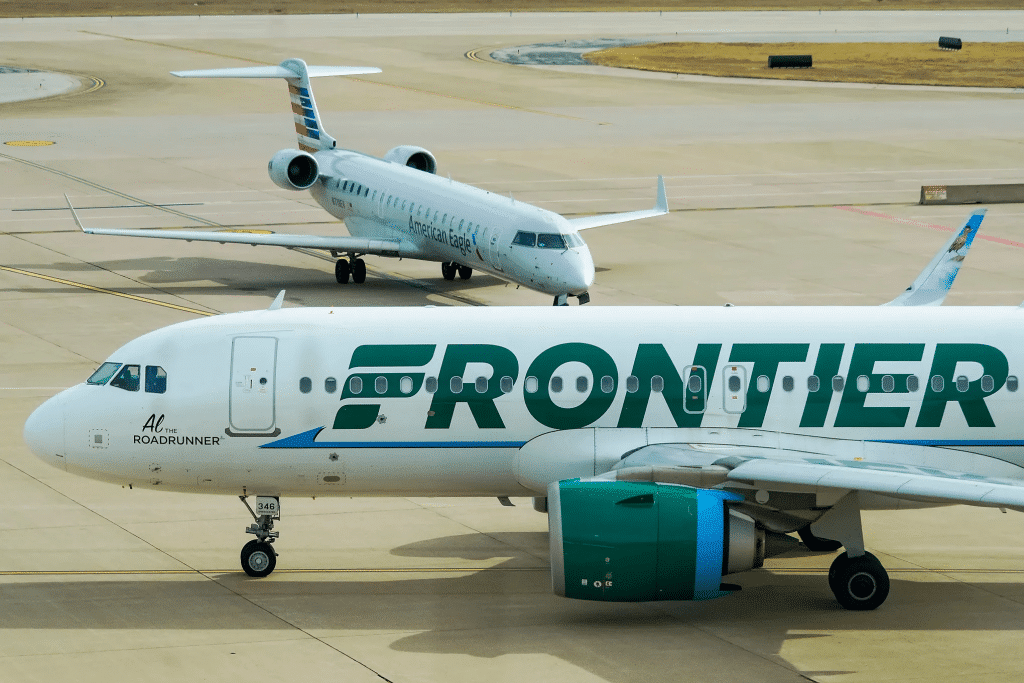
The incident involved Frontier Airlines flight F93134, which was scheduled to travel from Charlotte, North Carolina, to New York’s LaGuardia Airport on August 16, 2025. The aircraft, an Airbus A320, had been preparing for departure when the unexpected ground equipment issue occurred.
For passengers, the situation was both shocking and frustrating. A flight that should have been routine turned into a long delay, and video of the incident quickly drew attention online. But while the footage may have looked dramatic, the most important part of the story is what happened afterward: the aircraft was taken out of service, inspected, and replaced before anyone was allowed to fly.
In aviation, that kind of caution is not optional. It is essential.
How the Engine Incident Happened
Before a commercial aircraft departs, several pieces of ground support equipment are often connected to the plane. These systems help with power, air conditioning, baggage handling, fueling, cleaning, and other services while the aircraft is parked at the gate.
In this case, an external air-conditioning hose was reportedly positioned too close to one of the aircraft’s engines. These hoses are commonly used to keep the cabin comfortable while passengers are boarding or waiting at the gate.
However, jet engines create powerful suction, even during ground operations. When equipment gets too close to an engine intake, it can be pulled in with dangerous force. That is reportedly what happened at Charlotte.
The hose was sucked into the engine and shredded within seconds.
Ground crews quickly stopped the departure process and secured the area. While no passengers or crew members were injured, the event immediately raised concerns about possible engine damage. Even if the object appears soft or flexible, anything entering a jet engine can cause serious problems.
That includes fabric, rubber, plastic, metal reinforcement, and debris.
Why the Plane Could Not Fly
Once the hose entered the engine, the aircraft could not safely continue its trip. Frontier Airlines removed the plane from service and arranged for maintenance teams to inspect it.
That decision may have frustrated passengers, especially after the delay stretched for hours, but it was the only responsible choice.
Aircraft engines are highly complex machines. Inside the engine are fan blades, turbine components, sensors, and other critical systems that must operate with extreme precision. When a foreign object is sucked into the intake, it may cause visible damage, but it can also create hidden problems that are not obvious from the outside.
A damaged blade, internal vibration, or weakened component could create serious risk if the plane were allowed to fly without inspection.
In the aviation industry, this type of event is often referred to as foreign object damage, or FOD. It is one of the most serious and costly risks in airport ramp operations. Foreign object damage can occur when tools, luggage parts, debris, birds, vehicles, or ground equipment enter areas where they do not belong.
Even a small object can cause expensive repairs and major delays.
Passengers Faced a Long Delay
For the passengers waiting to travel to New York, the disruption was significant. Reports indicated that the delay lasted nearly nine hours before a replacement aircraft was arranged.
Long flight delays are never easy. Travelers may miss connections, appointments, work obligations, hotel check-ins, or family plans. For some passengers, the emotional stress of seeing an engine-related incident before departure may have been just as difficult as the wait itself.
Still, grounding the aircraft was the safest outcome.
A delay on the ground is inconvenient. A mechanical emergency in the air is far more serious.
Frontier eventually used another Airbus A320 to complete the trip. Meanwhile, the original aircraft remained grounded for inspection and maintenance review. Before it could return to service, qualified technicians would need to confirm that the engine and related systems were safe.
Why Ramp Safety Matters So Much
To passengers watching from the cabin or terminal, airport ground operations may look simple. Workers move baggage, connect hoses, guide aircraft, fuel planes, and prepare flights for departure. But behind the scenes, the process is highly coordinated and carefully controlled.
Every person on the ramp has to be aware of aircraft movement, engine status, equipment placement, safety zones, and communication signals. A small error can quickly turn into a major incident.
Jet engines are especially dangerous because of their suction power. Ground crews are trained to keep equipment, vehicles, and personnel away from engine intake zones. These safety distances are not suggestions. They are critical rules designed to prevent injuries, equipment damage, and aircraft maintenance emergencies.
The Charlotte incident shows how quickly a routine task can become serious when equipment ends up too close to an operating engine.
It also shows why airlines, airports, and ground service contractors invest heavily in training, insurance coverage, maintenance procedures, and risk management systems. A single ramp incident can affect passengers, crew schedules, aircraft availability, repair costs, and the airline’s overall operations.
The Financial Cost of Foreign Object Damage
Foreign object damage is not only a safety concern. It can also be extremely expensive.
If a jet engine ingests debris or equipment, the airline may face inspection costs, replacement parts, labor expenses, aircraft downtime, schedule disruptions, passenger compensation, and possible operational penalties. Depending on the severity of the damage, repairs can cost thousands or even hundreds of thousands of dollars.
For airlines, every grounded aircraft affects more than one flight. It can disrupt an entire schedule, forcing crews, passengers, and replacement planes to be rearranged. That is why aviation maintenance planning, insurance policies, and operational risk controls are so important in the airline industry.
But even when the cost is high, safety always comes first.
No reputable airline should allow an aircraft to depart after possible engine damage without a complete inspection.
A Viral Video With a Serious Lesson
Online, the incident quickly attracted attention because of the dramatic nature of the footage. Seeing an engine shred a hose on the tarmac is alarming, especially for travelers who may already feel nervous about flying.
But the larger lesson is not panic.
It is prevention.
This incident happened while the aircraft was still at the gate, surrounded by trained personnel who could stop the process immediately. The plane had not taken off. Passengers were not placed in an airborne emergency. The safety system worked because the problem was recognized and the aircraft was removed from service.
That matters.
Aviation safety is built on layers of protection. Ground procedures, crew communication, maintenance inspections, emergency protocols, and regulatory standards all exist to catch problems before they become disasters.
In this case, the delay was frustrating, but it was also proof that the airline took the incident seriously.
Safety Before Schedule
The Frontier Airlines incident at Charlotte Douglas International Airport was unusual, dramatic, and inconvenient for passengers. But the most important result is clear: no one was hurt.
The aircraft was stopped. The engine was inspected. A replacement plane was arranged. Travelers eventually continued their journey.
For passengers, a nine-hour delay can feel exhausting. For the airline, the incident likely created costly operational challenges. But in aviation, no schedule is more important than safety.
This event is a reminder that even the most routine flight depends on countless people, systems, and procedures working together correctly. When something goes wrong, the safest decision is to stop, inspect, and verify before moving forward.
A delayed flight may ruin a day.
A missed safety warning could cost far more.
That is why aviation follows one rule above all others:
Safety comes first — always.