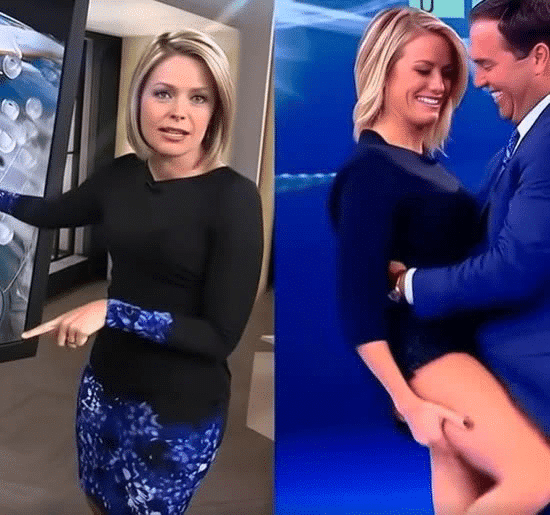
A reported live-TV wardrobe mishap has become the center of online discussion after viewers claimed a popular host accidentally revealed more than intended during a broadcast. According to the circulating account, the moment happened suddenly during a live segment, leaving producers scrambling to cut away while audiences reacted in shock.
The story quickly spread across social media, where users debated whether the incident was a simple accident, a preventable production failure, or an example of how unforgiving live television can be.
However, because the source material does not identify the host, the network, the program, or the broadcast date, the most serious claims—especially that the host was “fired on the spot”—should be treated with caution unless confirmed by reliable reporting.
What is clear is that the story has sparked a larger conversation about live broadcasting, workplace fairness, public embarrassment, and the pressure placed on media personalities when something goes wrong in front of an audience.
A Live Broadcast Turns Into a Viral Moment
Live television leaves very little room for error. Unlike recorded programs, there is no easy pause button, no second take, and no opportunity to quietly fix a problem before viewers see it. When something unexpected happens, producers must react instantly.
According to the account being shared online, the host was in the middle of a normal broadcast when a wardrobe issue occurred. The moment reportedly exposed more than intended, shocking viewers and prompting the production team to cut away from the segment.
Within minutes, social media users began discussing what they believed they had seen. Some described the incident as shocking, while others argued that it was being exaggerated for clicks.
That divide is common when short clips from live broadcasts circulate online. A few seconds of footage can be taken out of context, reposted repeatedly, and transformed into a much larger story before official details are available.
Was the Host Really Fired Immediately?
One of the biggest claims surrounding the story is that the host was fired immediately after the incident. The headline suggests a dramatic on-set dismissal, but the provided account does not offer enough verified detail to confirm that this happened.
In real media workplaces, employment decisions are usually more complicated than a single instant reaction. Networks may review footage, speak with producers, examine whether the issue was accidental, and determine whether wardrobe staff, production planning, or technical decisions contributed to the problem.
If the incident was truly accidental, many viewers argue that immediate termination would be unfair. A wardrobe malfunction is not the same as intentional misconduct. In many cases, responsibility may involve multiple people, including stylists, producers, camera operators, and the network’s live-broadcast procedures.
That is why the “fired on the spot” claim should be handled carefully. It may be part of the viral framing rather than a verified fact.
Public Reaction: Sympathy, Criticism, and Curiosity
Online reactions to the alleged incident have been mixed.
Some viewers expressed sympathy for the host, saying anyone can experience an accident under pressure. They argued that a public mistake should not automatically destroy someone’s career, especially if there was no intent to create controversy.
Others felt the network may have had a responsibility to act quickly if the broadcast violated standards or created reputational concerns. Live television has strict expectations, and networks often worry about advertisers, sponsors, brand safety, audience complaints, and regulatory issues.
For monetized media companies, even a brief on-air mistake can create financial consequences. Advertising agreements, insurance concerns, legal reviews, public relations costs, and long-term brand trust can all become part of the aftermath.
That does not mean every mistake deserves punishment. But it does explain why networks may respond quickly when a broadcast moment becomes controversial.
The Pressure of Working on Live Television
This situation also highlights how difficult live television can be for hosts and production teams. Viewers often see only the polished final product, but behind the scenes, live shows require constant coordination.
Hosts must follow timing cues, read scripts, respond to guests, listen to producers through earpieces, manage their body language, and stay composed even when things go wrong. At the same time, production crews are handling cameras, lighting, sound, wardrobe, graphics, and commercial breaks.
When everything works, the broadcast looks effortless.
When one thing fails, everyone notices.
A small wardrobe issue, microphone problem, camera mistake, or missed cue can become a viral clip within seconds. The internet rarely gives people time to explain before judgment begins.
Why Viral Clips Can Be Misleading
One important issue with stories like this is that viral clips often leave out context.
A video might show the most embarrassing few seconds but not what happened before or after. It may not show whether the host noticed immediately, whether producers reacted appropriately, or whether the situation was accidental. It may also be edited, cropped, slowed down, or captioned in a way that pushes viewers toward one interpretation.
That is why responsible coverage matters.
Turning an embarrassing accident into a sensational scandal can harm real people. It can damage a person’s reputation, mental health, employment prospects, and financial stability. Even if the story later turns out to be exaggerated, the online damage can remain.
In today’s media environment, personal finance and career security can be affected by one viral moment. A public figure may lose sponsorship deals, speaking opportunities, contracts, or future jobs because of how a clip is framed online.
A Bigger Conversation About Workplace Fairness
The alleged firing has also raised questions about fairness in entertainment and media workplaces.
Should a host be punished for an accident?
Should a network investigate before making a decision?
Should production teams share responsibility when wardrobe or camera planning fails?
How should companies balance professionalism with compassion?
These are not simple questions.
Networks have standards to maintain. Viewers and advertisers expect broadcasts to remain appropriate. But employees also deserve fair treatment, especially when an incident is unintended.
A thoughtful response would involve reviewing the full footage, speaking with everyone involved, confirming whether policies were violated, and avoiding rushed decisions based only on public pressure.
That kind of process protects both the company and the employee.
The Role of Advertisers and Brand Safety
For television networks, public image matters because advertising revenue depends heavily on trust. Brands want their commercials placed near content that feels safe and professional. When a live broadcast becomes controversial, advertisers may ask questions about what happened and whether similar incidents could happen again.
This is where business, media, insurance, and finance intersect.
A viral controversy can lead to legal reviews, public relations expenses, contract concerns, and possible changes to production procedures. Networks may update wardrobe guidelines, delay live feeds, strengthen editing controls, or adjust risk-management policies.
In other words, one on-air mistake can become a full business issue.
What Could Happen Next
If the incident is real and under review, the next steps would likely depend on the facts.
The network may release a statement, clarify whether the host remains employed, review internal procedures, or apologize to viewers. The host may also choose to address the situation publicly, especially if online speculation becomes damaging.
If the firing claim is inaccurate, the story may eventually fade as another exaggerated viral headline. If it is accurate, it may continue to fuel debate about whether the punishment was fair.
Either way, the incident shows how quickly public attention can move from curiosity to judgment.
Final Thoughts
The reported live-TV wardrobe mishap has captured attention because it combines embarrassment, shock, workplace pressure, and viral media reaction. But without confirmed details about the host, network, or official outcome, the story should be treated carefully.
What may have been an accident should not automatically become a career-ending scandal in the public imagination.
Live television is unpredictable. Mistakes happen quickly. What matters most is how networks respond—with professionalism, fairness, and respect for everyone involved.
A few seconds on camera can spark a viral storm.
But the full truth usually takes longer to understand.