A peaceful residential neighborhood was shaken after a late-night home intrusion reportedly escalated into a deadly confrontation, leaving families grieving and a community deeply divided. What began as a quiet evening turned into a tragic event that has since raised difficult questions about self-defense, homeowner safety, youth behavior, and the dangers of making assumptions before all facts are known.
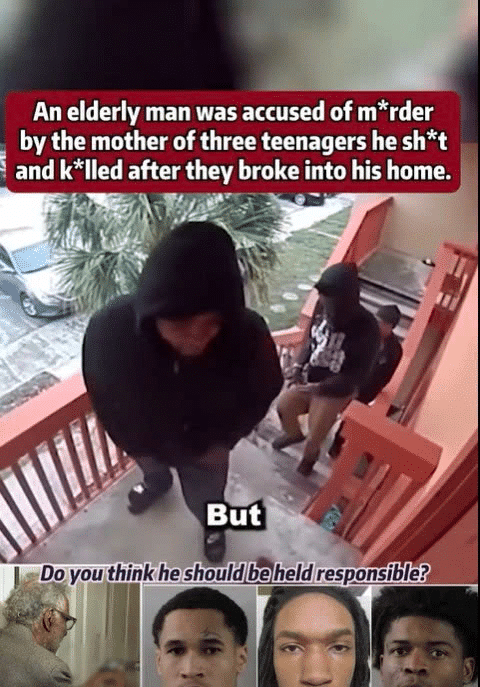
According to the available account, a group of teenagers approached a home late at night under circumstances that immediately drew concern. Part of the incident was captured on surveillance footage, which later circulated online and triggered intense public reaction. However, officials have warned that the video does not show the full event, especially what happened after the teens entered the home.
That missing context has become central to the case.
While some viewers believe the homeowner acted out of fear during a frightening intrusion, others are focused on the devastating loss of young lives and are demanding a complete explanation. As the investigation continues, the situation remains emotionally charged for everyone involved.
Surveillance Footage Raises Questions
The publicly shared footage reportedly shows the teenagers approaching the residence during the late-night hours. For many viewers, the scene was unsettling because it appeared to show young people moving toward a private home when most residents would expect their neighborhood to be quiet.
However, the most critical moments of the incident were not captured clearly in the public footage. Authorities have confirmed that after the teens entered the home, a confrontation occurred. During that chaotic encounter, the teenagers suffered fatal injuries.
Because the available video only shows part of the timeline, law enforcement has urged the public not to draw conclusions too quickly. Online clips can create strong emotional reactions, but they rarely provide the full picture. Important questions remain, including what the teens intended, what the homeowner saw, and how quickly the situation escalated once they were inside.
In cases involving home security, self-defense, and possible criminal activity, even a few missing seconds can change how an incident is understood.
The Homeowner’s Account
Officials say the homeowner, described as an elderly man living alone, contacted emergency services shortly after the incident. According to reports, he sounded shaken and told dispatchers he believed someone had broken into his home and that he feared for his life.
Supporters of the homeowner argue that no one should be forced to make a life-or-death decision inside their own house. They say the home is supposed to be the one place where a person feels safe, especially for an elderly resident who may feel vulnerable during a late-night intrusion.
For many people, this part of the story has shaped their view of the case. A sudden break-in can create extreme fear, confusion, and panic. In those moments, decisions are often made in seconds, not after calm reflection.
Still, investigators must determine whether the homeowner’s response was legally justified based on the facts, the perceived threat, and the laws in that state.
Families of the Teenagers Demand Answers
While some residents sympathize with the homeowner, the families of the teenagers are devastated. They are mourning an unimaginable loss and want to know how the situation ended so violently.
Their questions are painful but important. Why were the teens at the home? What happened before they entered? Was there any opportunity for the situation to be avoided? Did the homeowner reasonably believe his life was in immediate danger?
These questions cannot be answered by social media reactions alone. They require a careful review of evidence, witness statements, emergency calls, surveillance footage, and forensic details.
The grief of the families has fueled broader conversations about accountability, transparency, and how young people can become involved in risky situations with permanent consequences. It has also reminded the public that behind every viral headline are real families facing life-changing pain.
Why Self-Defense Cases Are So Complex
Cases involving home intrusions and self-defense are rarely simple. Laws vary by state, and investigators must look closely at what happened in the moment.
Many states recognize some form of the castle doctrine, a legal principle that may allow people to defend themselves inside their own homes if they reasonably believe they are facing an immediate threat. In some places, broader self-defense protections may also apply.
However, these laws do not automatically settle every case. Authorities still have to examine whether the homeowner’s fear was reasonable, whether the teens posed an imminent threat, and whether the response matched the situation as it unfolded.
That is why officials are asking the public to be patient. A case like this cannot be judged fairly through short clips, rumors, or emotional posts online.
A Neighborhood Divided by Fear and Grief
In the aftermath, the community has become divided.
Some residents say the incident reflects a growing concern about neighborhood safety, home security, and the fear of break-ins. They believe homeowners, especially older adults, should not be expected to hesitate when they feel threatened inside their own home.
Others are focused on the loss of young lives and argue that the public should not overlook the human tragedy at the center of the case. They want accountability, clarity, and a deeper understanding of why the teens were there that night.
Candlelight vigils have reportedly brought together people from different sides of the issue. Some came to mourn. Others came to support the homeowner. Many came simply because they wanted peace, truth, and healing for a community that now feels changed.
Broader Lessons About Safety and Prevention
Beyond the legal questions, this tragedy has opened a larger discussion about prevention.
Families are talking about youth supervision, peer pressure, and the importance of knowing where teenagers are during late-night hours. Residents are discussing home security measures such as outdoor lighting, cameras, neighborhood communication, and emergency planning.
There are also practical concerns that come with incidents like this. Homeowners may begin reviewing insurance coverage, liability protection, estate planning, personal finance decisions, and security investments. Families may consider whether their current home safety plans are enough, especially if they live alone or care for elderly relatives.
But no camera, alarm system, or policy can undo what happened. Prevention matters because the consequences of one bad decision can last forever.
Investigation Still Underway
Authorities have not issued a final conclusion. Investigators are still reviewing evidence, reconstructing the timeline, and determining what each person did before and during the confrontation.
Until that process is complete, major questions remain unanswered.
What is already clear is that one late-night incident changed multiple lives. Families are grieving. A homeowner is traumatized. A neighborhood is shaken. And the public is left debating where fear, responsibility, and the law intersect.
Final Thoughts
This case has resonated so widely because it involves some of the most difficult issues a community can face: personal safety, youth decisions, self-defense, legal accountability, and irreversible loss.
It is a reminder that public judgment should wait for verified facts. It is also a warning about how quickly fear and poor choices can collide in the worst possible way.
What happened that night cannot be undone. But as the investigation continues, the hope is that the truth will bring clarity—and that the tragedy will encourage families, homeowners, and communities to take safety, communication, and responsibility seriously before another crisis occurs.