When a baby develops a cough, most parents hope it is something temporary—a cold, seasonal irritation, or a minor respiratory issue that will pass with time and care. But when symptoms linger for weeks and nothing seems to help, it can become frightening, especially when the child is too young to explain what is wrong.
For one family, their eight-month-old daughter’s persistent cough became the beginning of a mystery inside their home. At first, doctors suspected infant asthma. Medication was prescribed. Every instruction was followed carefully.
But the baby did not improve.
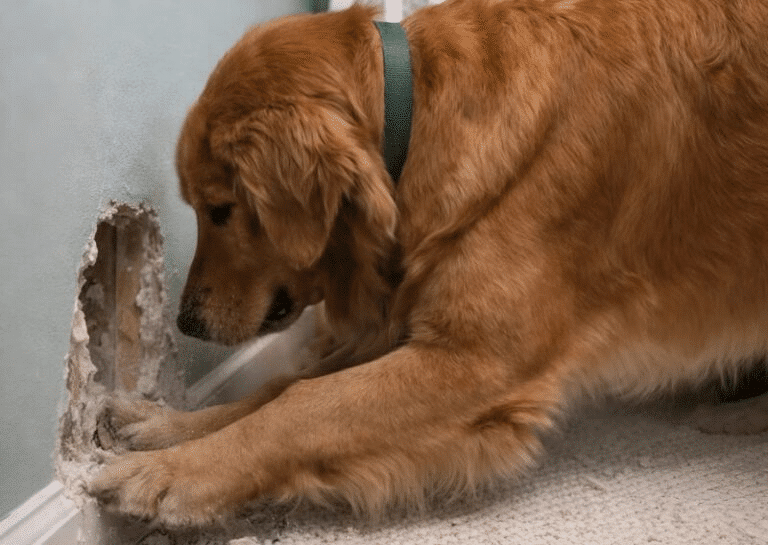
Then the family’s golden retriever, Daisy, began acting strangely. She became obsessed with one specific spot in the nursery: the wall directly behind the baby’s crib.
At first, the parents thought the dog was misbehaving.
But Daisy was not causing trouble.
She was trying to warn them.
A Nursery That Looked Safe
Before their daughter came home, the family had prepared the nursery with care. The crib was placed neatly against the wall, the room was cleaned, and every detail was arranged to create a peaceful space for the baby to sleep.
Like many parents, they believed they had done everything right. They thought about comfort, safety, sleep routines, and the many practical responsibilities that come with raising a child. From health insurance and pediatric visits to household budgets, mortgage payments, and personal finance planning, parenthood had already brought many new concerns.
But one danger remained hidden.
There were no obvious signs at first. No visible stains. No strange marks on the wall. No puddle on the floor.
Everything looked normal.
That is what made the discovery so unsettling.
A Cough That Would Not Go Away
The baby’s symptoms began like an ordinary illness. She developed a cough that seemed mild at first. But instead of fading, it continued.
At night, the coughing became worse. Her breathing sometimes sounded shallow, and her parents found themselves waking repeatedly just to make sure her chest was rising and falling.
They took her to the pediatrician more than once. After careful examinations, the symptoms were thought to resemble early asthma in infants. An inhaler and medication were prescribed, and the parents followed the treatment plan closely.
But weeks passed with little improvement.
Their daughter became more tired. She ate less. She woke often and struggled through the night. The family’s worry grew with each passing day.
Something did not feel right.
Daisy’s Behavior Changes
Around the same time, Daisy began behaving in a way the family had never seen before.
She had always been gentle around the baby. The golden retriever often rested near the crib, calm and watchful, as if guarding the nursery. She was affectionate, patient, and easygoing.
Then everything changed.
Whenever she entered the nursery, Daisy went straight to the wall behind the crib. She sniffed it, paced in front of it, and eventually began scratching.
At first, the scratching was light. The family assumed she had smelled something small or was reacting to a sound inside the wall. But the behavior quickly became more intense.
Daisy scratched the same spot again and again. She tore at the wallpaper. She dug into the drywall. She returned to the wall even after being scolded or removed from the room.
The parents tried closing the nursery door. They tried keeping her away with a baby gate. But Daisy remained determined.
She would not leave that wall alone.
The Dog’s Warning Becomes Impossible to Ignore
After several days, Daisy’s paws began showing signs of injury. The pads were cracked from scratching so hard.
That was the moment the family’s frustration turned into concern.
A calm, loving dog had become frantic about one exact location. She was not randomly destroying furniture or acting out from boredom. She was focused, persistent, and almost desperate.
Still, the parents were exhausted. Their baby was coughing through the night, and now their dog was damaging the nursery wall. At first, they thought only about repairs, stress, and the cost of fixing the drywall.
Then one night, Daisy scratched hard enough to create a large hole.
When the parents entered the room, pieces of plaster were scattered across the carpet. Daisy was still clawing at the opening, trying to widen it.
Angry and overwhelmed, they pulled her away.
Then they looked inside the wall.
What they saw changed everything.
Hidden Mold Behind the Crib
Behind the drywall was moisture damage.
A hidden leak had been slowly feeding mold growth inside the wall. From the outside, the nursery had looked clean and safe. But inside the wall, mold had been spreading where no one could see it.
Suddenly, the baby’s unexplained symptoms made sense.
The cough.
The nighttime breathing issues.
The lack of improvement.
Daisy’s obsession with the wall.
The hidden mold had likely been affecting the air quality in the nursery, especially near the crib where the baby slept for hours each night.
Mold can release tiny particles into the air that may irritate the respiratory system. Babies can be especially vulnerable because their lungs are still developing, and they spend long periods sleeping in one place.
Daisy had detected something the humans could not.
She was not misbehaving.
She was alerting them to a danger hidden inside their home.
Immediate Repairs and Medical Follow-Up
Once the family realized what was happening, they acted quickly.
The baby was removed from the nursery. The damaged wall was opened further, and the hidden leak was repaired. The affected materials were removed, and the area was dried and cleaned properly.
In a situation like this, professional help is often important. Mold cleanup should be handled carefully, especially in a room used by an infant. Simply painting over the problem is not enough. The source of moisture must be fixed, damaged materials may need to be replaced, and air quality should be taken seriously.
The family also followed up with medical care for their daughter, making sure her symptoms were monitored after the exposure was addressed.
Over time, her cough began to improve. Her breathing became calmer. She slept better, and her energy slowly returned.
Daisy also changed.
Once the mold and leak were gone, she stopped scratching the wall.
Why Mold Can Be a Serious Household Problem
Hidden mold is not just a cosmetic issue. It can become a health concern and a financial problem.
Moisture behind walls may come from roof leaks, plumbing problems, poor ventilation, or condensation. If ignored, it can damage drywall, wood, flooring, insulation, and even structural materials.
For homeowners, this can affect insurance claims, repair costs, real estate value, mortgage-related maintenance responsibilities, and long-term personal finance planning. A small leak that goes unnoticed can become an expensive repair if mold spreads.
More importantly, it can affect health.
Children, elderly adults, and people with asthma, allergies, or weakened immune systems may be more sensitive to poor indoor air quality.
That is why unusual symptoms and changes in the home environment should never be ignored.
The Lesson Every Parent Can Take From This
This family’s experience is a reminder that danger does not always announce itself clearly. Sometimes there is no visible stain, no obvious smell, and no immediate explanation.
The warning may come through a lingering cough.
A restless pet.
A strange smell.
A soft spot on a wall.
A room that feels damp.
Or a symptom that does not respond to treatment.
Parents should pay attention when multiple signs point in the same direction. If a child is experiencing persistent respiratory symptoms, it may be worth looking beyond the medical diagnosis and examining the home environment as well.
That does not mean every cough is caused by mold. But it does mean that air quality, hidden leaks, and moisture should be part of the conversation when symptoms continue without improvement.
Daisy Was the Hero
In the end, Daisy’s behavior saved the family from continuing to expose their baby to a hidden hazard.
She damaged a wall, yes.
But she may have protected a life.
The family had mistaken her urgency for bad behavior. In reality, she had been using the only tools she had: her nose, her instincts, and her paws.
Sometimes pets notice what humans miss. A sudden change in behavior may be worth investigating, especially when it is focused on one specific area of the home.
Final Thoughts
What began as a baby’s persistent cough and a dog scratching at the wall turned into a frightening discovery inside the nursery.
A hidden leak had created mold behind the crib, silently affecting the air where the baby slept. The parents could not see it. Doctors could not know it from a routine visit. But Daisy sensed something was wrong and refused to stop warning them.
The lesson is simple but important: pay attention to small signs, especially when they repeat.
Sometimes the most important warning in the house does not come from an alarm.
Sometimes it comes from a loyal dog who refuses to give up.