On October 1, 2017, thousands of country music fans gathered in Las Vegas for the Route 91 Harvest Festival. The open-air concert near the Las Vegas Strip was supposed to be a night of music, celebration, and community. Friends danced together, families enjoyed the performances, and many attendees expected to leave with happy memories.
Instead, the evening became one of the darkest chapters in modern American history.
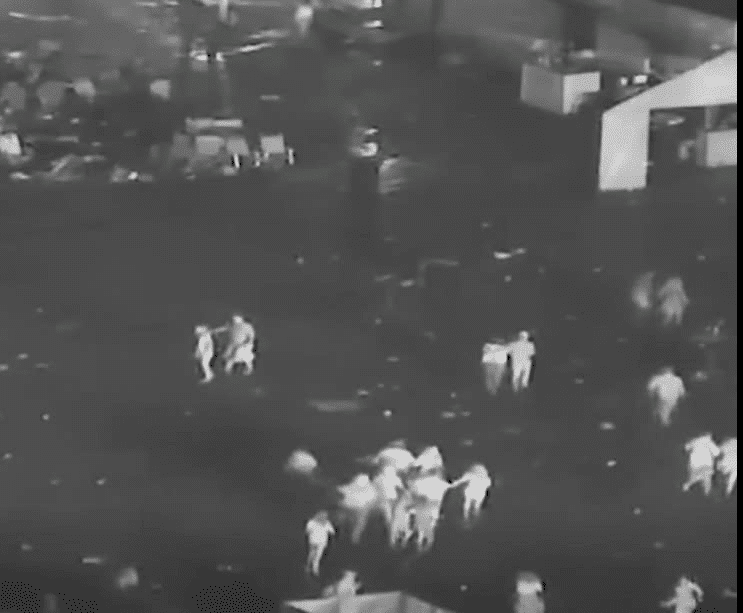
At about 10:05 p.m., gunfire erupted while concertgoers were gathered below the Mandalay Bay Resort and Casino. Many people initially thought the sounds were fireworks or part of the show. Within moments, confusion turned to terror as people realized they were under attack.
Authorities later identified the gunman as Stephen Paddock, who fired from a 32nd-floor hotel room overlooking the festival grounds. The attack lasted roughly 10 minutes, but for the people trapped in the open venue, those minutes felt endless. The FBI later reported that more than 22,000 people were at the festival that night.
A Night of Chaos and Fear
The layout of the venue made the situation especially dangerous. Because the concert was outdoors, there were few places for people to hide once the gunfire began. Attendees dropped to the ground, ran toward exits, hid behind barriers, and tried desperately to find loved ones in the crowd.
Cell phones lit up with frantic calls and messages. Some people searched for family members. Others tried to help strangers who had fallen or been injured. In the middle of the panic, many survivors later described the same terrifying feeling: they did not know where the shots were coming from, how long the attack would last, or where safety could be found.
The tragedy left 60 victims dead after two later deaths were officially connected to injuries from the attack, and hundreds more were injured. Earlier reports listed 58 deaths, but the official toll was later revised after two survivors died from complications linked to their wounds.
First Responders Rush Toward Danger
As concertgoers fled, police officers, firefighters, paramedics, and emergency medical teams rushed into a dangerous and confusing scene. First responders had to treat victims, locate the source of the gunfire, secure the area, and move injured people to hospitals as quickly as possible.
Hospitals across Las Vegas were overwhelmed with patients. Doctors, nurses, and emergency staff worked through the night to save lives. Many victims arrived in private vehicles, police cars, ambulances, and by any means available. The scale of the emergency tested the city’s medical system, but it also revealed extraordinary dedication from healthcare workers and emergency responders.
In the chaos, ordinary people also became heroes. Strangers helped carry the wounded. Some used clothing as makeshift bandages. Others shielded people on the ground or guided panicked attendees toward exits. These acts of courage did not erase the horror of the night, but they became an important part of how the tragedy is remembered.
Investigation and Unanswered Questions
After the shooting, law enforcement traced the attack to the gunman’s hotel room inside Mandalay Bay. Paddock was found dead from a self-inflicted gunshot wound before officers entered the room. Investigators recovered numerous firearms and a large amount of ammunition, showing that the attack had been heavily planned.
Despite an extensive investigation, authorities did not identify a clear motive. The FBI’s Behavioral Analysis Unit later concluded that there was no single or clear motivating factor behind the attack. The Las Vegas Metropolitan Police Department also closed its investigation without determining a definitive motive and found no evidence of a second gunman or conspiracy.
That uncertainty has made the tragedy even harder for survivors and families. People naturally want answers after such a devastating event. They want to understand why it happened, whether it could have been prevented, and what lessons can be learned to reduce the risk of future attacks.
The Human Cost Behind the Numbers
While statistics help explain the scale of the tragedy, they cannot fully capture the human loss. Every victim had a name, a family, a future, and a story. Some were parents. Some were young adults just beginning their lives. Some were first responders, teachers, workers, friends, spouses, and children of grieving families.
The injuries also extended far beyond the physical wounds. Many survivors continued to live with trauma, anxiety, grief, and painful memories from that night. For families who lost loved ones, October 1 became a date permanently tied to mourning.
The financial consequences were also significant for many survivors and families. Medical bills, insurance claims, long-term rehabilitation, lost income, disability care, funeral costs, legal settlements, and personal finance pressures became part of the aftermath. In 2020, a Nevada judge approved an $800 million settlement involving MGM Resorts International and its insurers for thousands of claimants connected to the shooting.
A Community United in Mourning
In the days after the attack, Las Vegas changed. A city known worldwide for entertainment, nightlife, and tourism became a place of mourning and remembrance. Vigils were held. Candles were lit. Blood donation centers saw long lines of people waiting to help. Memorials filled with flowers, photographs, crosses, handwritten notes, and messages of love.
Across the country, people paused to honor the victims. The tragedy reminded many Americans how quickly life can change and how deeply violence affects not only those at the scene, but entire communities.
For Las Vegas, the phrase “Vegas Strong” became more than a slogan. It represented survival, unity, grief, and the determination to support one another after unimaginable loss.
Lessons That Still Matter
Years later, the Route 91 Harvest Festival shooting continues to influence conversations about public safety, emergency preparedness, venue security, gun laws, mental health awareness, and crisis response. Large public events now often involve deeper planning around evacuation routes, surveillance, emergency medical access, communication systems, and coordination between private venues and law enforcement.
The tragedy also reminds families and communities of the importance of preparation. Emergency plans, communication strategies, medical coverage, life insurance, estate planning, and financial readiness may be difficult topics, but major crises show why they matter.
Still, no policy discussion should overshadow the people at the center of the story: the victims, survivors, families, first responders, and medical workers who lived through that night.
Final Thoughts
The Las Vegas Route 91 Harvest Festival shooting was not a recent “breaking” event, but the impact remains deeply present. The attack on October 1, 2017, left 60 victims dead, hundreds injured, and countless lives permanently changed.
It stands as a solemn reminder of the fragility of life, the importance of public safety, and the courage people can show in the worst moments.
The pain of that night will never fully disappear. But the bravery of survivors, the dedication of first responders, and the unity shown by the Las Vegas community continue to define the legacy of October 1.
This tragedy should be remembered not only for the violence that occurred, but for the humanity that followed.