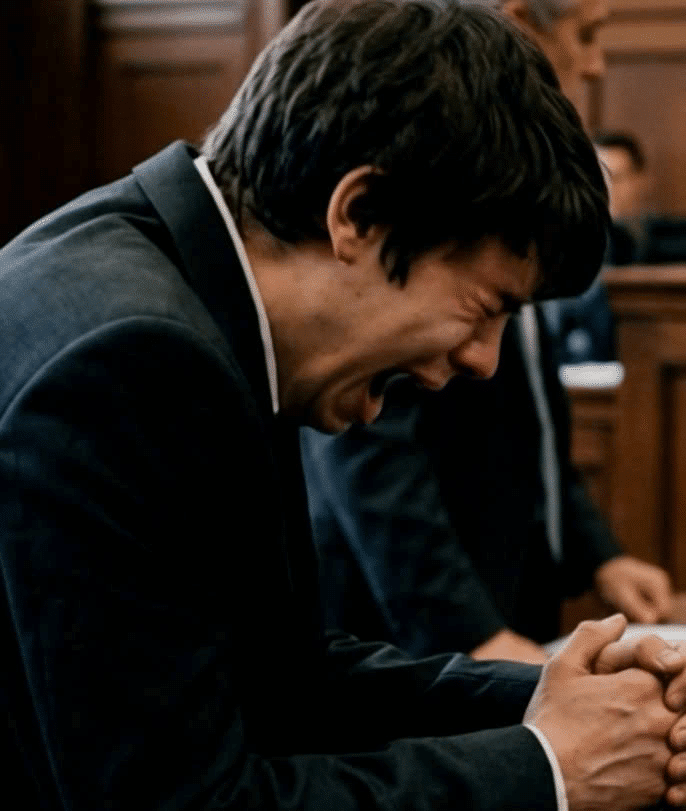
A case involving a 17-year-old teenager who reportedly received a 700-year prison sentence has sparked intense discussion online, drawing attention to the complicated relationship between justice, accountability, youth, and long-term consequences.
The story has gone viral not only because of the length of the sentence, but because of what it represents. A sentence of 700 years is far beyond a natural human lifespan. For many readers, it feels almost impossible to process. It is not just a number. It is a symbol of a future completely taken away, a life permanently redirected, and a courtroom moment that left everyone involved facing the weight of irreversible consequences.
According to the account, the teenager once lived what appeared to be a normal life. He went to school, spent time with friends, and had the same hopes many young people carry—independence, opportunity, a career, relationships, and a future still waiting to unfold.
But one incident changed everything.
A Normal Life Before the Courtroom
Before the legal case, the teenager’s life reportedly looked ordinary. Like many 17-year-olds, he was still learning who he was and what kind of future he wanted. He had not yet reached adulthood. He still had milestones ahead of him: graduation, a first full-time job, financial independence, maybe college or career training, and the chance to build a stable life.
At that age, most people are only beginning to understand adult responsibilities such as banking, insurance, loans, rent, personal finance, and long-term planning. Teenagers may think about the future, but they often do not fully understand how one choice can affect decades of life.
That is what makes the case so unsettling.
According to the story, the situation began with rising tension that might have ended differently if emotions had been controlled. But in a matter of seconds, a decision was made that crossed a serious legal line. What followed was not only an arrest, but a complete collapse of the future the teenager may have imagined.
One Moment With Lifelong Consequences
Many serious legal cases begin with one moment that escalates too quickly. A conflict grows. Emotions take over. Someone makes a decision they cannot take back.
In this case, that moment allegedly led to charges serious enough to bring the teen before a judge for sentencing. By the time the case reached court, the question was no longer whether life would return to normal. It was how much of that life would be spent behind bars.
The courtroom was reportedly filled with tension on the day of sentencing. Family members sat quietly, hoping for mercy but preparing for the worst. Attorneys waited as the judge reviewed the case. Every person in the room understood that the decision would change everything.
Then the judge announced the sentence.
Seven hundred years in prison.
The number stunned the courtroom. Some people gasped. Others cried. Some sat in silence, unable to absorb the scale of what had just been said.
Why Sentences Can Reach Hundreds of Years
A sentence of 700 years may sound unreal, but in the legal system, extremely long sentences can result from multiple charges being stacked together. When a court orders sentences to run consecutively, each sentence is served one after another instead of at the same time.
This can lead to prison terms that extend far beyond a normal lifespan.
Supporters of long consecutive sentences argue that every offense should be recognized separately. If a case involves multiple serious acts, multiple victims, or repeated harm, the court may impose a sentence that reflects the full scope of the case.
From that perspective, a long sentence is not only about time. It is about accountability.
However, critics argue that sentences extending hundreds of years raise difficult questions, especially when the defendant is still a teenager. They ask whether the justice system should leave room for rehabilitation, growth, and change over time.
The Debate Over Youth and Accountability
The case has divided public opinion.
Some people believe the sentence is justified. They argue that serious actions must bring serious consequences, regardless of age. For them, public safety, victim protection, and accountability must come first. They believe a strong sentence sends a clear message that harmful decisions carry permanent consequences.
Others see the case differently. They point out that a 17-year-old is still developing emotionally and mentally. Teenagers are more likely to act impulsively, respond to peer pressure, and fail to fully understand long-term consequences.
This does not mean young people should avoid responsibility. But it does raise an important question: should a teenager ever receive a sentence that guarantees no meaningful chance of release?
That question is at the center of many debates about juvenile justice. A fair system must protect victims and communities. At the same time, it must consider whether young offenders are capable of rehabilitation.
The Silent Moment That Moved the Courtroom
According to the account, one of the most emotional moments came after the sentence was read.
As the teenager was escorted out of the courtroom, he stopped briefly and turned toward his mother.
He did not speak.
He did not resist.
He simply looked at her.
That silent exchange carried more emotion than words could have expressed. It seemed to capture realization, regret, fear, and finality all at once. For his mother, it may have been the moment she understood that her child’s life would never return to what it had been.
A 700-year sentence does not affect only the person sentenced. It affects families, victims, communities, and everyone forced to live with the aftermath. It means missed birthdays, empty chairs at family gatherings, years of prison visits, legal expenses, emotional pain, and a future permanently divided by prison walls.
A Larger Lesson About Choices
This story resonates because it reminds people how quickly life can change. A single decision made in anger, fear, pride, or confusion can create consequences that last for decades.
That lesson applies far beyond criminal law. In personal finance, one reckless loan decision can damage credit for years. In banking, one act of fraud can destroy a career. In real estate, one bad contract can create long-term financial loss. In relationships, one moment of anger can cause harm that cannot be repaired.
But in the legal system, the consequences can be even more severe. One choice can mean the loss of freedom itself.
For young people, the message is especially important. Emotional control, guidance, mentorship, and understanding consequences can make the difference between a future full of opportunity and one defined by regret.
Final Thoughts
The reported case of a 17-year-old receiving a 700-year prison sentence is more than a shocking headline. It is a painful reminder of how fragile the future can be when one moment changes everything.
For some, the sentence represents justice and accountability. For others, it raises serious concerns about youth, rehabilitation, and whether punishment should ever completely erase the possibility of redemption.
What cannot be denied is the emotional weight of the story.
A teenager entered the courtroom with a life still ahead of him. He left facing a sentence longer than anyone could ever live.
Sometimes life does not change slowly.
Sometimes, it changes in seconds.
And those seconds can define everything that follows.