For decades, Bruce Willis was known as one of Hollywood’s most unforgettable stars. From Die Hard to Armageddon, The Sixth Sense, and The Fifth Element, Willis built a career playing characters who were tough, witty, and impossible to ignore. His screen presence helped define a generation of action films, making him a household name around the world.
Today, however, the story surrounding Bruce Willis is no longer about movie premieres or box office success. It is about family, health, caregiving, and the painful reality of frontotemporal dementia.
Willis’ family publicly shared in 2023 that his earlier diagnosis of aphasia had progressed into a more specific diagnosis: frontotemporal dementia, commonly known as FTD. The announcement was shared through the Association for Frontotemporal Degeneration, where the family explained that communication challenges were among the symptoms he was facing.
What Is Frontotemporal Dementia?
Frontotemporal dementia is a progressive neurological condition that affects the frontal and temporal areas of the brain. These areas are connected to personality, behavior, communication, language, and decision-making. Unlike Alzheimer’s disease, which is often associated first with memory loss, FTD may appear through changes in speech, behavior, judgment, or emotional expression. Mayo Clinic describes FTD as a group of brain disorders that can affect behavior, language, speech, and movement.
That difference is one reason FTD can be so difficult for families to understand at first. A loved one may not simply forget names or events. Instead, they may struggle to find words, communicate clearly, follow conversations, or express themselves in familiar ways.
For a performer like Bruce Willis, whose career depended so much on timing, voice, humor, and expression, the diagnosis has been especially emotional for fans to process.
A Family Facing the Journey Together
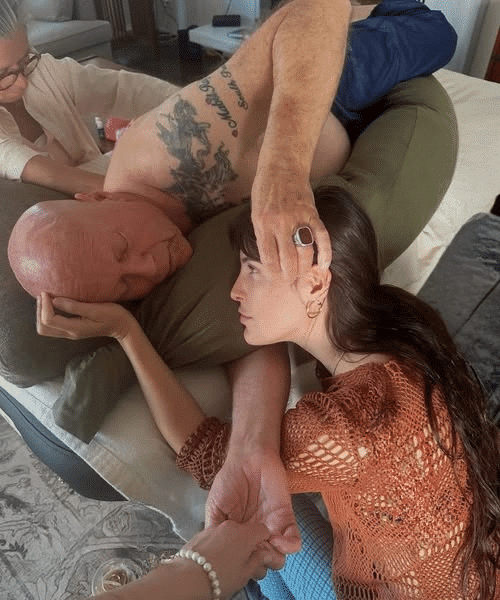
One of the most moving parts of Bruce Willis’ health journey has been the unity of his family. His wife, Emma Heming Willis, his ex-wife Demi Moore, and his five daughters have publicly shown support for him as he lives with the disease.
In recent updates, Emma Heming Willis has continued to speak openly about caregiving, family adjustments, and the emotional reality of loving someone with dementia. People reported in May 2026 that she said the family is doing the best they can while managing his frontotemporal dementia.
Her openness has helped many caregivers feel less alone. Dementia does not affect only the person diagnosed. It changes the lives of spouses, children, relatives, and close friends. It can reshape routines, responsibilities, finances, emotional health, and long-term family planning.
Families facing serious illness often have to think about medical care, insurance coverage, legal documents, estate planning, banking access, and personal finance decisions while also dealing with grief and uncertainty. For caregivers, the emotional weight can be just as difficult as the practical responsibilities.
A Difficult Care Decision
As Willis’ condition progressed, Emma Heming Willis shared that the family made the decision to have him live in a separate, safer home with professional caregivers. ABC News reported that the home was chosen to be quiet, secure, and easier for him to navigate as his needs changed.
That decision brought public attention, but Emma later explained that it was made with the well-being of the entire family in mind. People reported in January 2026 that she described the residence as a “second home” where the family regularly spends time and continues making memories together.
For many families caring for someone with dementia, this part of the story is deeply relatable. Care decisions are rarely simple. Choosing professional support does not mean giving up on a loved one. In many cases, it means creating the safest possible environment while allowing family members to remain emotionally present.
Bruce Willis’ Legacy Remains Powerful
Before stepping away from acting, Bruce Willis had already created a legacy few performers ever reach. Born in Germany and raised in New Jersey, he first gained major attention through the television series Moonlighting. His role as John McClane in Die Hard later changed the action genre by introducing a hero who was tough but vulnerable, sarcastic but deeply human.
That combination made Willis different from many action stars of his era. He did not simply play invincible characters. He played men who were bruised, tired, emotional, and still determined to keep going.
That humanity is part of why fans have responded so strongly to his health journey. The actor who once represented strength on screen is now showing a different kind of strength through the love and care surrounding him.
Raising Awareness Through Pain
Although the diagnosis has been heartbreaking, the Willis family’s decision to speak publicly has helped bring more attention to frontotemporal dementia. Many people had never heard of FTD before his diagnosis became public. Since then, more conversations have focused on symptoms, caregiver support, research, and early recognition.
Emma Heming Willis has also become an advocate for caregivers and FTD awareness. Recent reports noted that she has continued using her platform to support education and advocacy, including work connected to the Emma & Bruce Willis Fund.
This awareness matters because families often struggle for years before receiving clear answers. Symptoms may be misunderstood as stress, depression, aging, or personality changes. A correct diagnosis can help families seek proper care, make financial and medical plans, and better understand what is happening.
A Story About Love, Not Just Loss
Bruce Willis’ current chapter is painful, but it is not only a story of decline. It is also a story about devotion.
His family continues to show that love can remain strong even when communication changes. Presence still matters. Familiar faces still matter. Routine, comfort, music, laughter, and family connection can still bring meaning.
Fans may remember Willis for his famous movie lines, explosive action scenes, and unforgettable characters. But the love surrounding him now has revealed something even more meaningful: behind the Hollywood legend is a husband, father, and family man being cared for with dignity.
Final Thoughts
Bruce Willis’ family did not “just” confirm his diagnosis recently; they publicly shared his frontotemporal dementia diagnosis in 2023. What continues now is the family’s honest effort to raise awareness, support caregivers, and share the reality of living with a progressive neurological disease.
His journey is heartbreaking, but it has also opened an important conversation about dementia, caregiving, and the need for compassion.
Bruce Willis may no longer be standing in front of cameras the way fans remember, but his impact has not faded. His films remain part of cinema history, and his family’s courage continues to inspire people facing similar battles.
Legends do not disappear when the spotlight changes.
Sometimes, their greatest legacy becomes the love they leave behind.